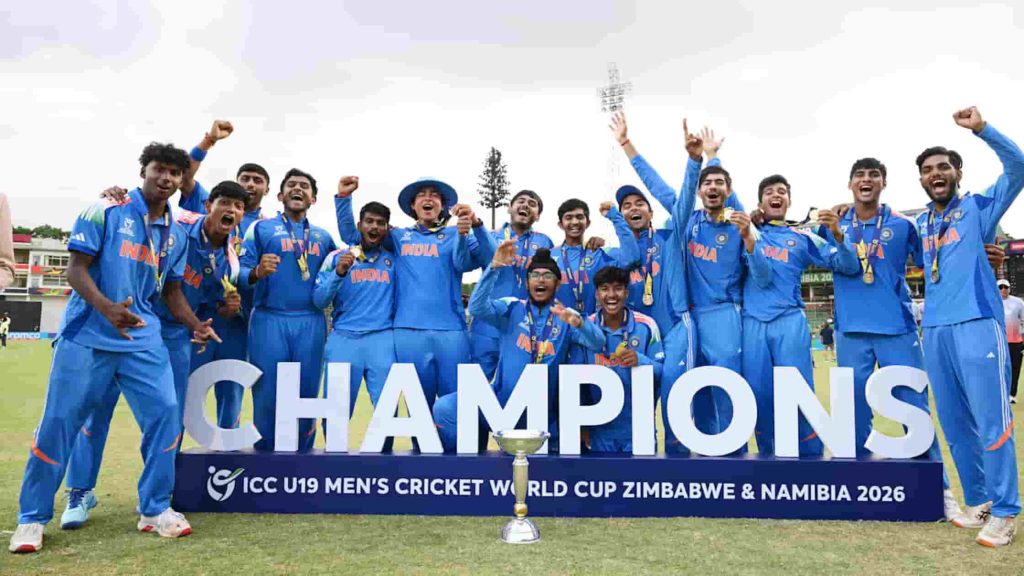
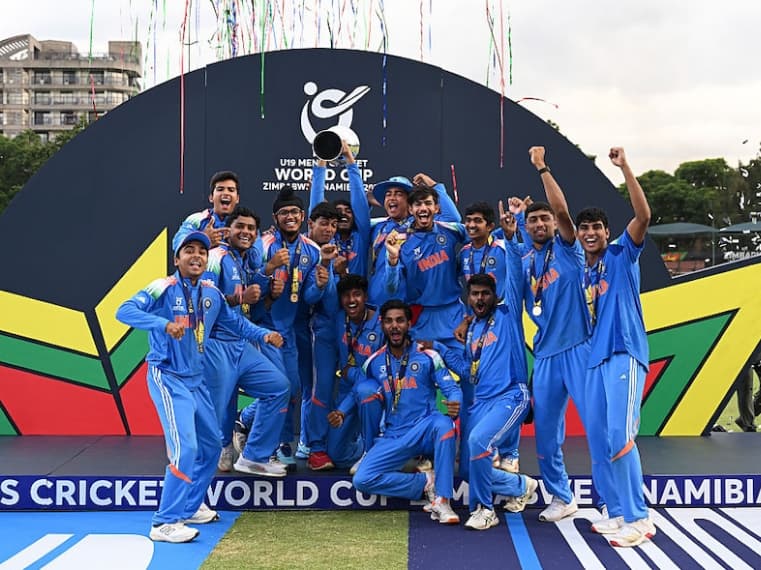
India clinched their sixth U19 World Cup title in spectacular fashion, with 14-year-old prodigy Vaibhav Sooryavanshi delivering a record-breaking performance that will be etched in cricket history.
His magnificent 175 off just 80 balls, the highest individual score by an Indian in U19 World Cup history, featured 15 fours and 15 sixes, propelling India to a commanding 411/9 in 50 overs.
After Aaron George’s early dismissal for 9, Sooryavanshi and captain Ayush Mhatre (53 off 51 balls) forged a devastating 142-run partnership, racing to 100 in just 13.2 overs.
Sooryavanshi’s breathtaking assault saw him reach fifty in 32 balls, a hundred in 55, and 150 in 71 deliveries before departing at 251/2. Crucial middle-order contributions from Trivedi (32), Malhotra (30), Kundu (40), and Chouhan’s unbeaten 37 pushed India past the 400-mark.
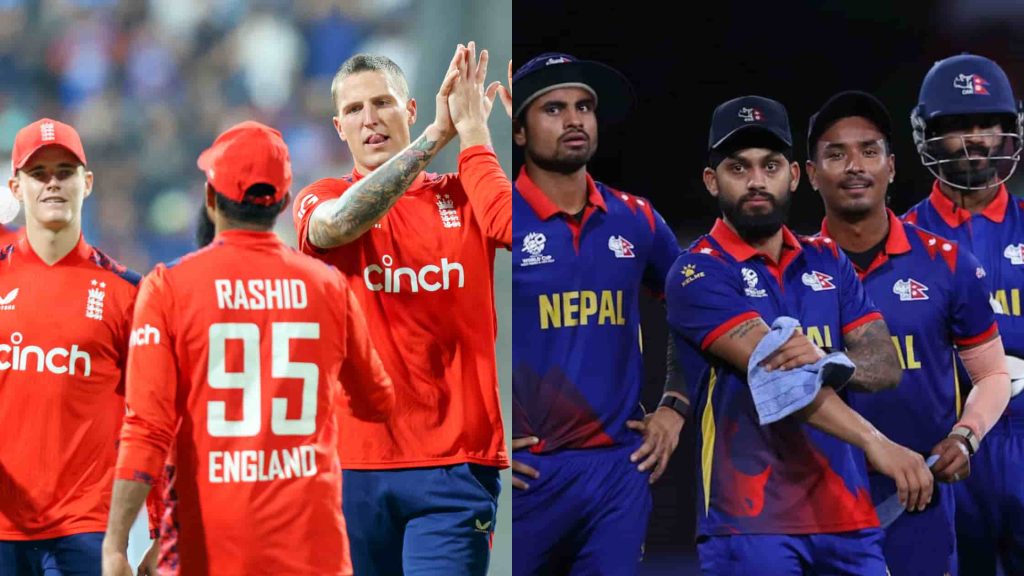
In reply, England fought valiantly through Caleb Falconer’s heroic 115 off 67 balls and a 92-run partnership with Minto (28), but RS Ambrish’s disciplined 3/56 in 9 overs anchored India’s bowling effort.
Despite Dawkins’ 66 and cameos from Mayes (45 off 28) and captain Rew (31 off 18), England collapsed from 174/4 to 177/7 in just 1.2 overs and were eventually bowled out for 311 in 40.2 overs, handing India a comprehensive 100-run victory and their sixth U19 World Cup crown.
Complete Match Statistics: India U19 vs England U19 Final
| Details | Information |
|---|---|
| India Under-19s Score | 411/9 (50 overs) |
| England Under-19s Score | 311 all out (40.2 overs) |
| Match Result | India Under-19 won by 100 runs |
| Best Batting (IND) | Vaibhav Sooryavanshi – 175 off 80 balls (15 fours, 15 sixes) |
| Best Batting (ENG) | Caleb Falconer – 115 off 67 balls (9 fours, 7 sixes) |
| Best Bowling (IND) | RS Ambrish – 3/56 in 9 overs (Econ: 6.22) |
| Best Bowling (ENG) | James Minto – 3/63 in 8 overs (Econ: 7.87) |
| Player of the Match | Vaibhav Sooryavanshi (IND) – 175 (80) |
India’s Batting Masterclass: Building an Unassailable Total
Captain Ayush Mhatre’s toss decision proved crucial as India posted a formidable total. Despite Aaron George’s early dismissal for 9 runs caught off Green’s delivery, Sooryavanshi and Mhatre forged a devastating 142-run partnership. The captain’s 53 from 51 balls (7 fours, 2 sixes) complemented Sooryavanshi’s explosive knock perfectly.
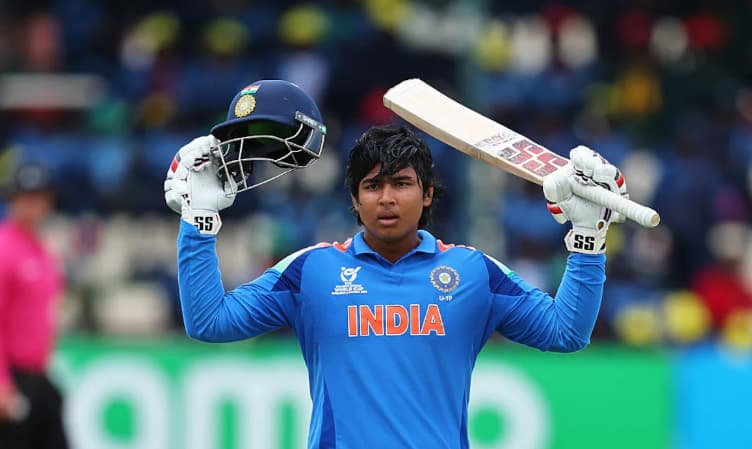
India’s powerplay produced 79/1, accelerating to 100 in 13.2 overs. Sooryavanshi blazed to fifty in 32 balls, century in 55, and 150 in 71 deliveries before departing for 175 at 251/2. Middle-order contributions from Trivedi (32), Malhotra (30), and Kundu (40) sustained momentum, while Chouhan’s unbeaten 37 propelled India past 400.
England’s Bowling Struggles Under Pressure
James Minto’s 3/63 was England’s best bowling performance, though his economy rate reflected India’s dominance. Green and Morgan captured two wickets apiece but proved expensive. Ahmed (0/77) and Albert (0/66) completed their allocations wicketless, unable to contain the Indian batsmen who discovered boundaries consistently throughout the innings.
England’s Brave But Insufficient Chase
England’s 412-run target demanded exceptional batting. Dawkins and Moores compiled 64 powerplay runs before Ambrish dismissed Moores for 17. Mayes contributed a blistering 45 off 28 deliveries, while captain Rew added 31 off 18. Dawkins crafted 66 before departing at 174/4, triggering a catastrophic collapse to 177/7 within 1.2 overs.
Falconer’s Heroic Century in a Losing Cause
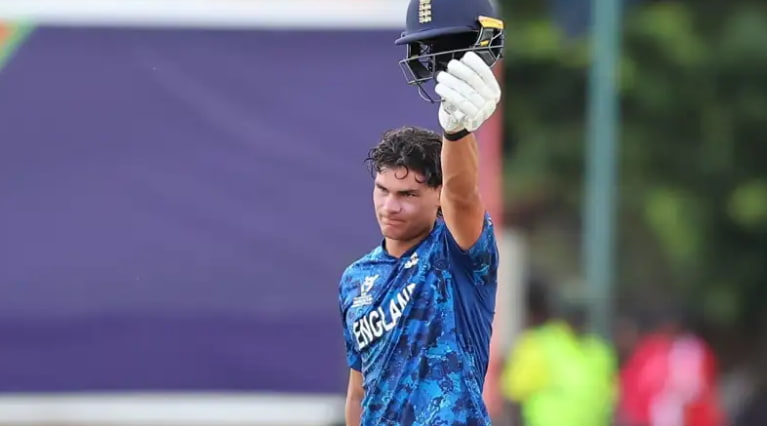
Caleb Falconer delivered England’s brightest moment with a spectacular 115 off 67 balls. His fifty required just 26 deliveries, reaching three figures in 63. Partnering with Minto (28) for 92 runs, Falconer kept faint hopes alive. Ambrish claimed 3/56 as England finished 311 all out, losing by 100 runs despite Falconer’s valiant resistance.
2026 Trends: Aggressive Batting Philosophy Reshaping Youth Cricket
The 2026 U19 World Cup demonstrated a significant shift toward ultra-aggressive batting approaches. Teams are encouraging young players to express themselves freely rather than playing conservative cricket.
India’s 411/9 total exemplifies this trend: modern coaching philosophies prioritize boundary-hitting ability and strike rotation over traditional accumulation. This evolution mirrors the influence of franchise T20 leagues on young cricketers’ mindsets.