The Decision Review System (DRS) is a technology-based system that allows players to challenge on-field umpiring decisions in international cricket. Introduced by the ICC in 2008, DRS uses multiple technologies to verify whether an umpire’s call was correct.
It has become a crucial part of modern cricket, reducing umpiring errors and adding a strategic layer to the game.
How DRS Works
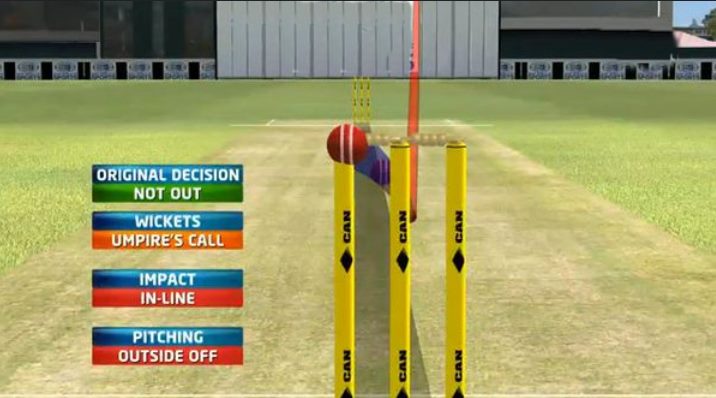
When a batsman is given out or survives an appeal, the fielding or batting team can request a review. The on-field umpire signals to the third umpire, who then examines the delivery using available technology. The third umpire either upholds or overturns the original decision based on the evidence.
Each team typically gets two unsuccessful reviews per innings in Test cricket and one in limited-overs formats. A review is only “lost” if the original decision stands. If the decision is overturned, the team retains its review.
Key Technologies Used in DRS
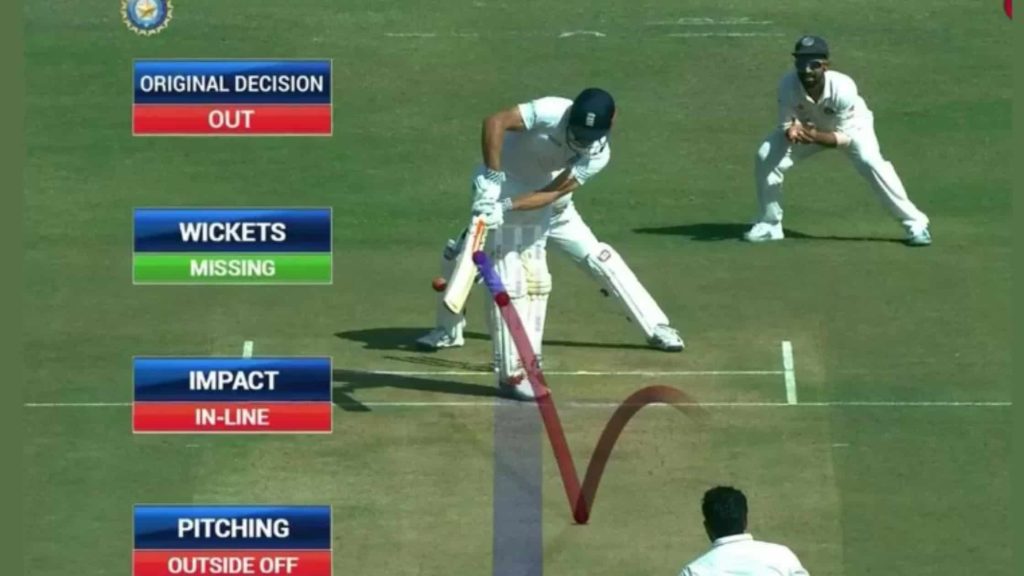
Ball-Tracking (Hawk-Eye): This technology predicts the ball’s path after pitching. It shows whether the ball would have hit the stumps in LBW appeals. The system uses six high-speed cameras positioned around the ground to track the ball’s trajectory.
Ultra Edge (Snickometer): This audio-visual tool detects edges by syncing sound waves with video footage. A spike on the graph indicates contact between bat and ball. It helps determine caught-behind and LBW decisions.
Hot Spot: An infrared imaging system that shows heat generated by friction. When the ball touches the bat or pad, a white spot appears on the thermal image. However, Hot Spot is not used in all series due to high costs.
The “Umpire’s Call” Rule
One important DRS element is “Umpire’s Call.” If ball-tracking shows the ball is only clipping the stumps (less than 50% hitting the wickets), the original decision stays. This margin accounts for the technology’s predictive limitations. Umpire’s Call also applies when the impact is marginally outside the line.
Impact on Cricket
DRS has significantly reduced howlers in international cricket. Batsmen get protection against incorrect dismissals. Bowlers can challenge not-out decisions they believe are wrong. The system has also made cricket more engaging for viewers, who can watch reviews unfold in real-time.
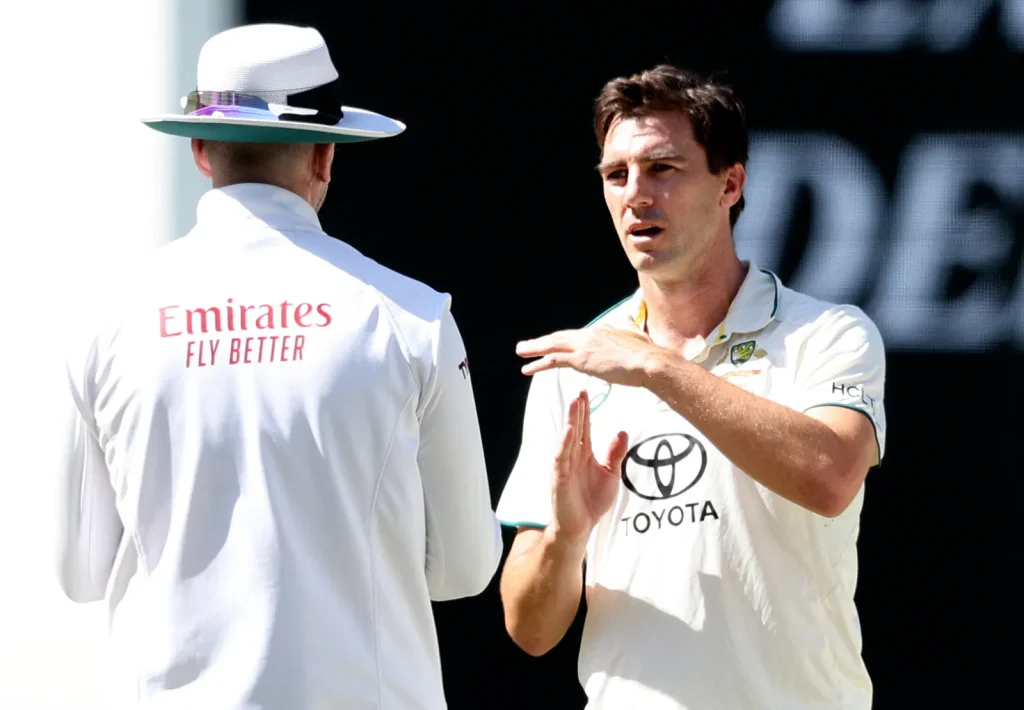
Critics argue that DRS slows down play and creates confusion around Umpire’s Call. Despite this, the system enjoys widespread acceptance. Most cricket boards now mandate DRS in bilateral series after initially resisting its adoption.
Also Read:
Quick Facts
- First used: 2008 (ICC initiated trials)
- Full implementation: 2011 onwards
- Review time limit: 15 seconds to request a review
- Reviews per innings: 2 in Tests, 1 in ODIs/T20Is (may vary by series)
DRS represents cricket’s embrace of technology to improve decision-making accuracy while preserving the umpire’s central role in the game.