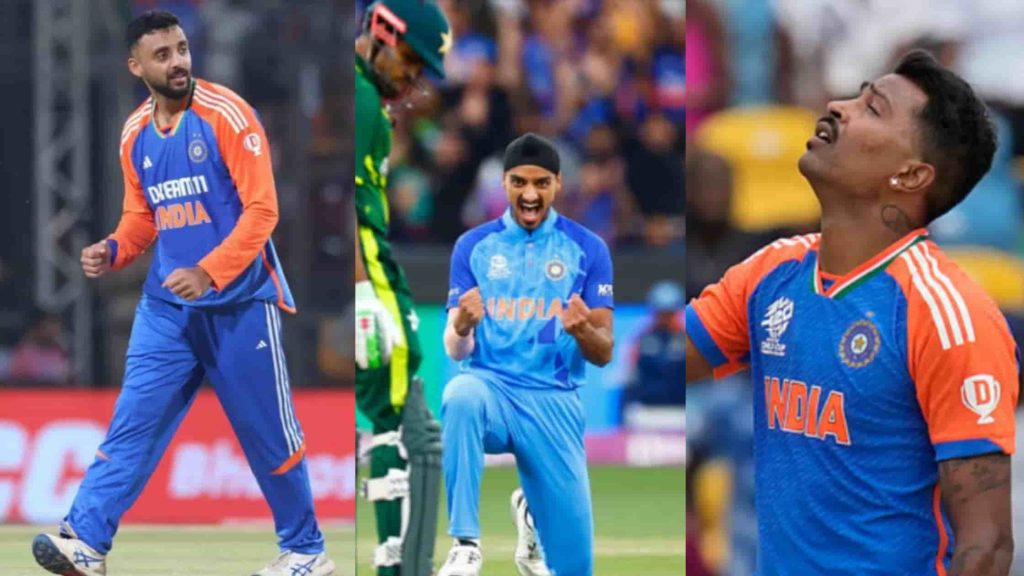
Arshdeep Singh tops India’s T20I wicket list with 121 wickets in 78 matches at 19.02 average and 13.40 strike rate. His success comes from striking in both powerplay and death overs with left-arm swing and precise yorkers under pressure.
Seamers benefit from humidity and hard lengths on Indian surfaces, while spinners rely more on pitch wear and grip. Dew can reduce turn, but cutters and pace changes still bring wickets late in the inning.
India’s Top 10 Wicket-Takers in T20 Internationals
| Player | Span | Matches | Innings | Wickets | Best Figures | Average | Economy | Strike Rate | 4W | 5W |
|---|---|---|---|---|---|---|---|---|---|---|
| Arshdeep Singh | 2022-2026 | 78 | 77 | 121 | 5/51 | 19.02 | 8.51 | 13.40 | 2 | 1 |
| JJ Bumrah | 2016-2026 | 88 | 85 | 108 | 3/7 | 18.83 | 6.52 | 17.31 | 0 | 0 |
| HH Pandya | 2016-2026 | 131 | 118 | 107 | 4/16 | 26.70 | 8.26 | 19.39 | 3 | 0 |
| YS Chahal | 2016-2023 | 80 | 79 | 96 | 6/25 | 25.09 | 8.19 | 18.37 | 2 | 1 |
| Kuldeep Yadav | 2017-2026 | 53 | 51 | 94 | 5/17 | 13.74 | 6.99 | 11.79 | 3 | 2 |
| B Kumar | 2012-2022 | 87 | 86 | 90 | 5/4 | 23.10 | 6.96 | 19.90 | 3 | 2 |
| AR Patel | 2015-2026 | 89 | 83 | 90 | 3/9 | 21.30 | 7.29 | 17.51 | 0 | 0 |
| R Ashwin | 2010-2022 | 65 | 65 | 72 | 4/8 | 23.22 | 6.90 | 20.16 | 2 | 0 |
| Ravi Bishnoi | 2022-2026 | 44 | 44 | 64 | 4/13 | 19.51 | 7.40 | 15.81 | 2 | 0 |
| CV Varun | 2021-2026 | 38 | 36 | 63 | 5/17 | 15.19 | 7.06 | 12.90 | 1 | 2 |
1. Arshdeep Singh
Arshdeep Singh’s 121 wickets in just 78 matches stand out because his strike rate of 13.40 is among the sharpest in this group, meaning breakthroughs arrive more frequently than most peers.
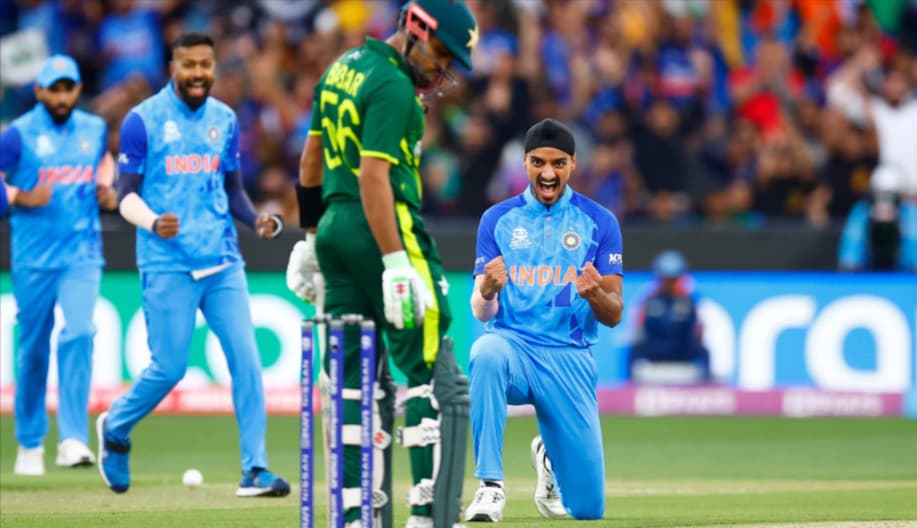
Despite bowling 270.2 overs, his average of 19.02 indicates that he does not concede runs heavily. The higher 8.51 economy reflects a death-overs role where risk is inevitable. Volume plus strike efficiency is why he leads India’s T20I wicket charts.
2. Jasprit Bumrah
Jasprit Bumrah’s 108 wickets across 88 matches from 2016 to 2026 come at an economy of 6.52, the lowest among India’s top ten wicket-takers. He has bowled 1870 deliveries with 12 maidens, conceding just 2034 runs, an average of 18.83 per dismissal.
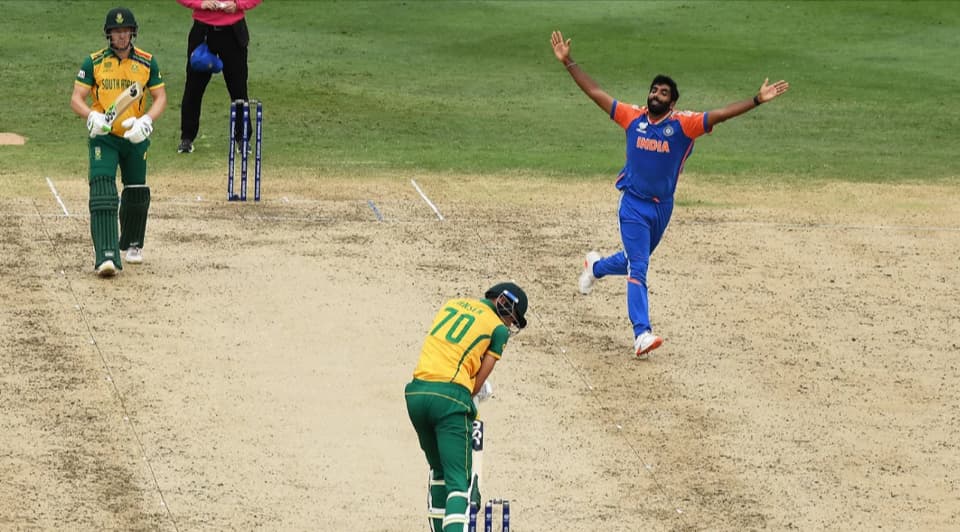
Despite a strike rate of 17.31, slower than Arshdeep’s, his economy and consistency define his value in powerplay and death overs. Bumrah has never taken a five-wicket haul or four-wicket haul in T20Is, operating instead as a wicket-per-spell bowler who builds pressure through dot balls and tight lines.
3. Hardik Pandya
Hardik Pandya has claimed 107 wickets in 131 matches between 2016 and 2026, the most appearances among India’s top ten. His strike rate of 19.39 and economy of 8.26 reflect his role as a middle-overs all-rounder rather than a specialist strike bowler.
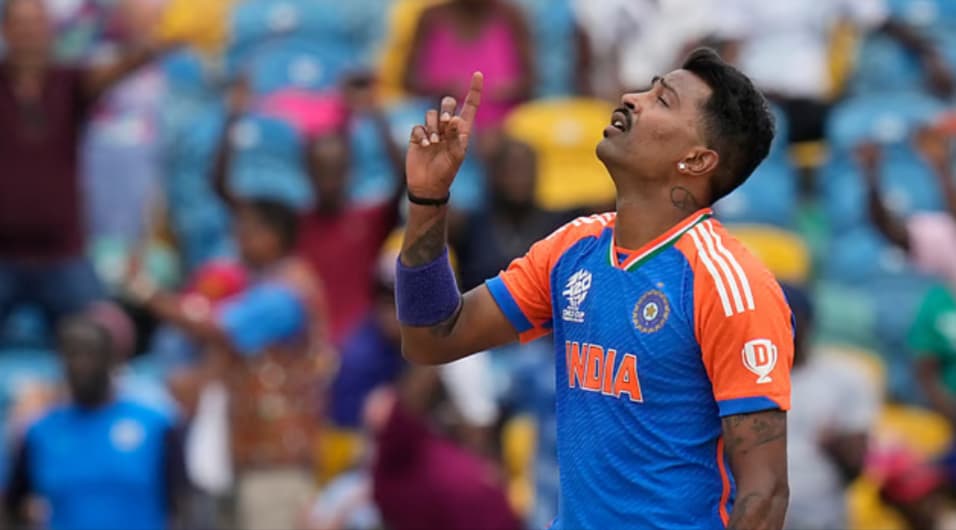
Across 2075 deliveries, he has conceded 2857 runs at an average of 26.70, the highest among the top five. Best figures of 4/16 highlight his ability to break partnerships, and he has taken four-wicket hauls three times, leveraging variations in pace and cutters to dismiss set batters.
4. Yuzvendra Chahal
Yuzvendra Chahal retired from T20Is in 2023 with 96 wickets in 80 matches, operating at a strike rate of 18.37 and an economy of 8.19. His best figures of 6/25 remain one of India’s finest T20I spells, supported by another five-wicket haul and two four-wicket performances across 1764 deliveries.
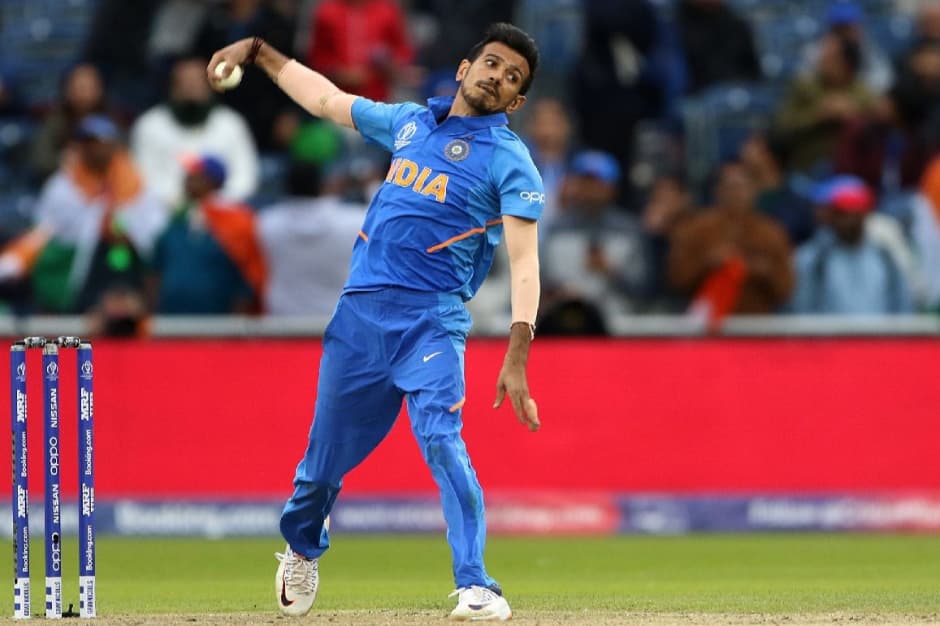
Chahal’s leg-spin accounted for 2409 runs conceded at an average of 25.09, with just two maidens bowled. His ability to turn the ball sharply in the middle overs made him India’s primary wicket-taking option during the 2016-2023 period before wrist-spin depth emerged.
5. Kuldeep Yadav
Kuldeep Yadav has taken 94 wickets in 53 matches from 2017 to 2026, operating at a strike rate of 11.79, the best among India’s top ten. His economy of 6.99 and average of 13.74 underline his efficiency, conceding just 1292 runs across 1109 deliveries in 184.5 overs.
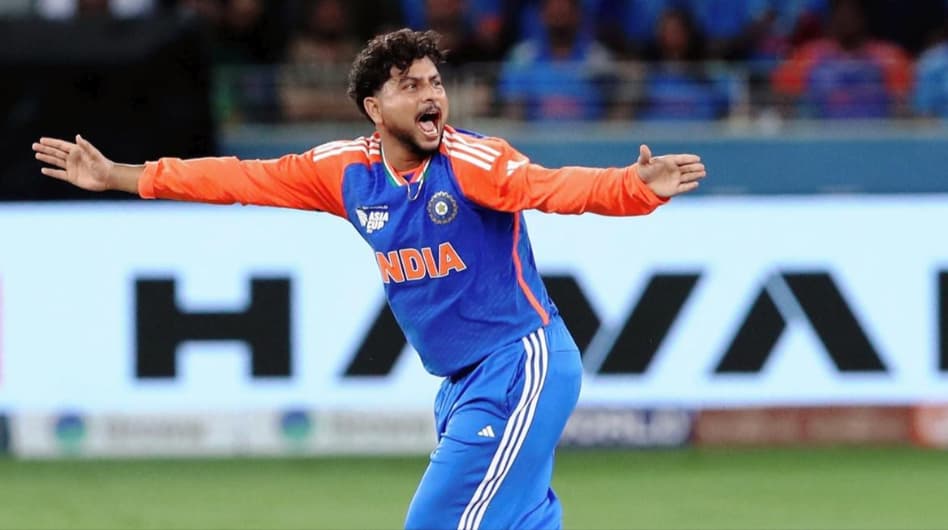
Best figures of 5/17 are supported by another five-wicket haul and three four-wicket performances, making him India’s most devastating wrist-spinner in T20Is. His chinaman variations and googly deceive batters in the middle overs, where he takes wickets faster than any Indian bowler on this list.
6. Bhuvneshwar Kumar
Bhuvneshwar Kumar retired from T20Is in 2022, having taken 90 wickets in 87 matches over a decade from 2012. His economy of 6.96 and strike rate of 19.90 reflect his role as a swing bowler who controlled powerplays and death overs.
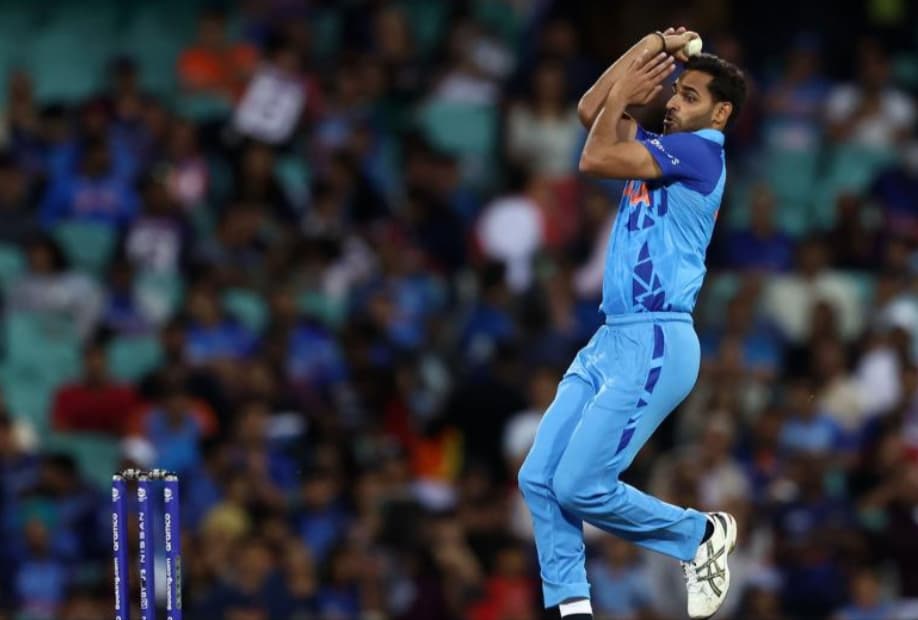
Across 1791 deliveries, he bowled 10 maidens and conceded 2079 runs at an average of 23.10. Best figures of 5/4 remain one of the most economical T20I spells in history, with two additional five-wicket hauls and three four-wicket performances cementing his status as India’s premier new-ball operator during his tenure.
7. Axar Patel
Axar Patel has claimed 90 wickets in 89 matches between 2015 and 2026, operating at an economy of 7.29 and a strike rate of 17.51. His left-arm orthodox spin across 1576 deliveries has conceded 1917 runs at an average of 21.30, with four maidens bowled.
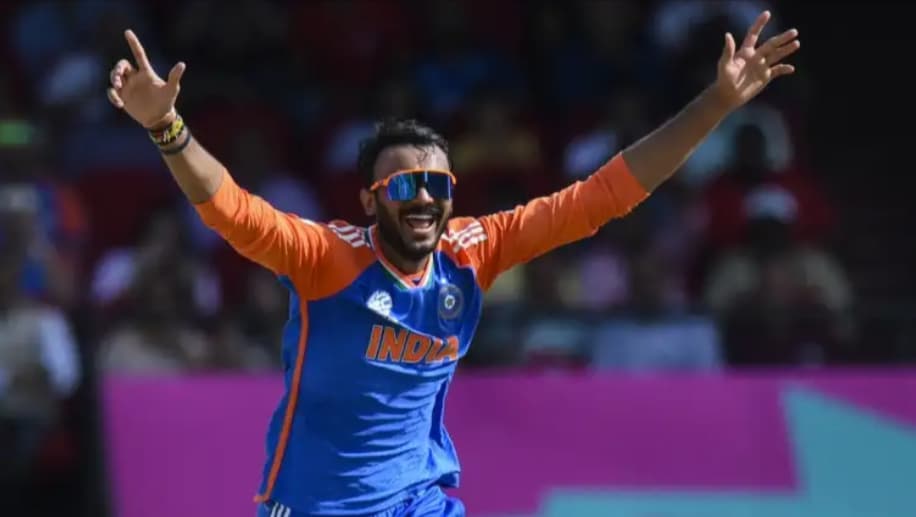
Despite never taking a four-wicket or five-wicket haul, his best figures of 3/9 highlight his containment role in the middle overs. Axar’s flat trajectory and accuracy restrict scoring while picking up wickets through pressure rather than turn, making him India’s most reliable defensive spinner in T20Is.
8. Ravichandran Ashwin
Ravichandran Ashwin retired from T20Is in 2022, having taken 72 wickets in 65 matches from 2010 to 2022. His economy of 6.90 and strike rate of 20.16 came across 1452 deliveries in 242 overs, conceding 1672 runs at an average of 23.22.
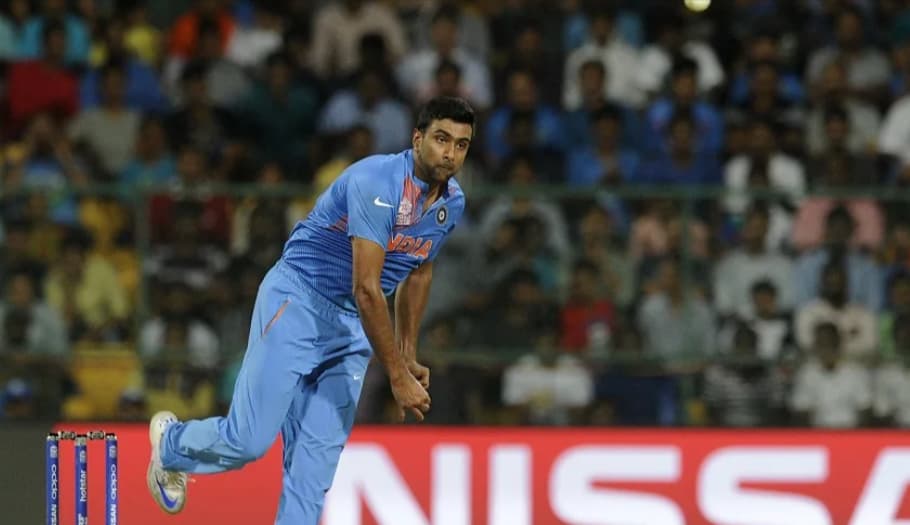
Best figures of 4/8 are supported by another four-wicket haul, with three maidens bowled during his career. Ashwin’s carrom ball and variations made him effective in the middle overs during India’s early T20I years, though his strike rate reflects his evolving role from wicket-taker to containing specialist.
9. Ravi Bishnoi
Ravi Bishnoi has taken 64 wickets in 44 matches since 2022, with a strike rate of 15.81 and an economy rate of 7.40. Across 1012 deliveries in 168.4 overs, he has conceded 1249 runs at an average of 19.51, with three maidens bowled.
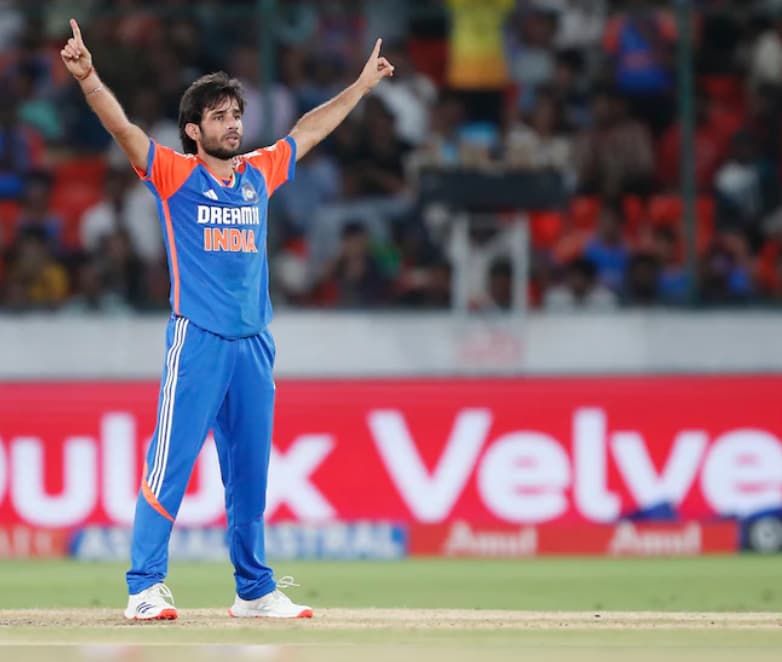
Best figures of 4/13 are complemented by another four-wicket haul, showcasing his leg-spin’s wicket-taking threat in the middle overs. Bishnoi’s googly and accuracy make him one of India’s fastest-rising T20I bowlers, projected to challenge for a top-five spot if he maintains his current trajectory through 2026.
10. Varun Chakravarthy
Varun Chakravarthy has claimed 63 wickets in 38 matches from 2021 to 2026, the second-best strike rate on this list at 12.90. His economy of 7.06 and average of 15.19 come across 813 deliveries in 135.3 overs, conceding just 957 runs.
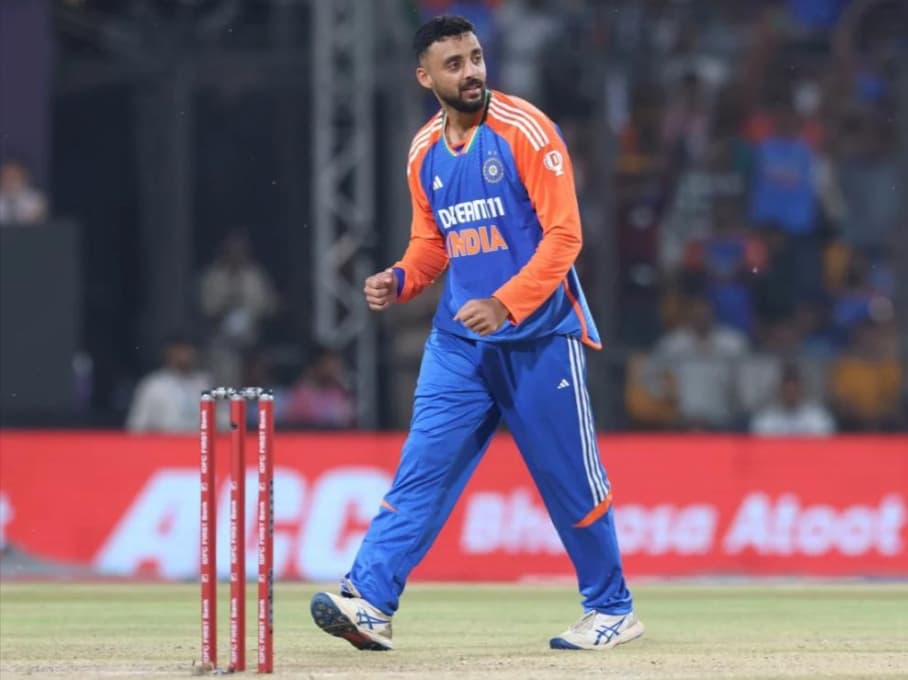
Best figures of 5/17 are supported by another five-wicket haul and one four-wicket performance, with just one maiden bowled. Varun’s mystery spin and carrom ball variations deceive batters in the middle overs, making him India’s most economical wicket-taker per match among spinners with 50-plus dismissals.
Also Read:
India’s T20I Bowling Evolution: Pace vs Spin Dominance
India’s top T20I wicket-takers show a shift from spin dominance to pace impact. Arshdeep’s 121 wickets in 78 matches since 2022 surpass Chahal’s 96 in 80 matches from 2016 to 2023, reflecting faster returns.
Bumrah’s 6.52 economy contrasts with Kuldeep’s 11.79 strike rate, control versus aggression. Bishnoi and Varun signal wrist-spin resurgence, while Axar’s 90 wickets without a four-for highlight middle-overs containment in a pace-led structure.