India has three tennis venues that most people talk about first: SDAT Tennis Stadium in Chennai, R.K. Khanna Complex in New Delhi, and KSLTA Stadium in Bengaluru.
These three show up in most international tennis events held in India. This article gives you a list of the top 10 tennis stadiums in India.
You will find where each one is, how many people it can hold, and what events it has hosted.
Disclaimer: The data in this article is based on the most recent information available online. Numbers like capacity and events may differ or change over time.
Top 10 Tennis Stadiums In India
India has hosted ATP, WTA, and Davis Cup matches for decades. The venues below have made that possible.
Some are in big cities, some are in cities that are just getting started. But all of them matter to Indian tennis.
| Rank | Stadium / Venue | Location | Capacity | Notable Events |
|---|---|---|---|---|
| 1 | SDAT Tennis Stadium | Chennai | 5,800 | Chennai Open (ATP/WTA), Davis Cup |
| 2 | R.K. Khanna Tennis Complex | New Delhi | 5,015 | Commonwealth Games, Davis Cup |
| 3 | Balewadi Stadium (Tennis Centre) | Pune | 4,200 | Tata Open Maharashtra (ATP 250) |
| 4 | KSLTA Stadium | Bengaluru | 4,000–5,000 | Bengaluru Open, Davis Cup |
| 5 | Lal Bahadur Stadium | Hyderabad | 4,000 | WTA Hyderabad Open |
| 6 | Calcutta South Club | Kolkata | Varies | Davis Cup, ITF Events |
| 7 | CLTA Tennis Stadium | Chandigarh | 3,500 | Davis Cup, ITF Junior Events |
| 8 | MSLTA Tennis Centre | Mumbai | 2,000 | Mumbai Open, ITF Pro Circuit |
| 9 | Kalinga Tennis Stadium | Bhubaneswar | 1,400 | ITF Asian U14 Championship |
| 10 | GMC Balayogi Indoor Stadium | Hyderabad | 5,000 | Indoor Tennis Events |
Each of these venues tells a different part of the same story. Some were built for multi-sport games and later became tennis courts.
Others started as club grounds and grew into international venues over time. Together, they show how tennis has taken root across India, not just in one city, but in many.
Now, let us look at each venue in detail.
1. SDAT Tennis Stadium — Chennai
| Location | Nungambakkam, Chennai |
| Capacity | 5,800 |
| Surface | Hard Court (Plexicushion) |
| Built | 1995 |
| Notable Events | ATP Chennai Open, WTA 250 Chennai Open, Davis Cup |
This is where Indian tennis lives. SDAT was built in 1995 for the South Asian Federation Games. It ran the ATP Chennai Open for 21 years straight from 1997 to 2017.
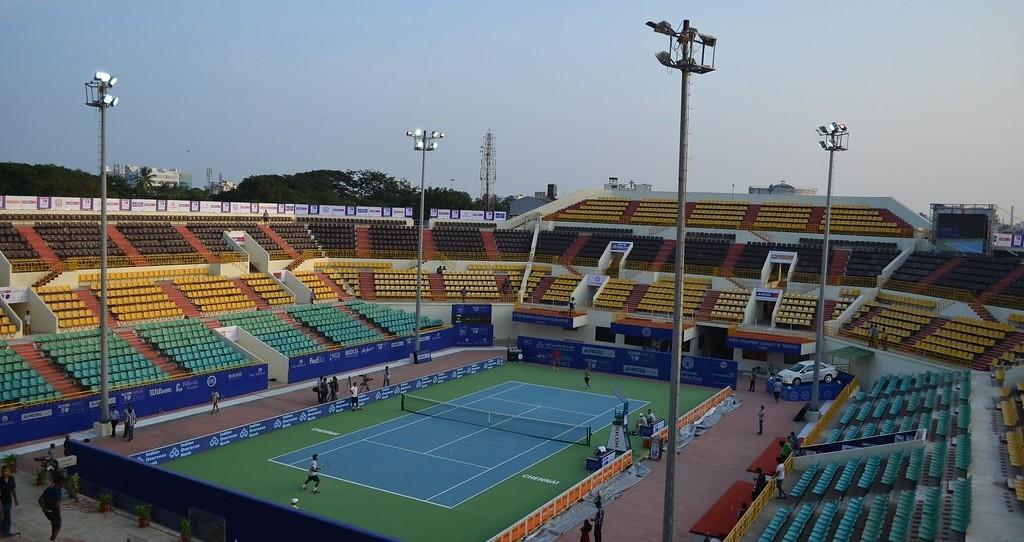
Now it hosts the WTA 250 Chennai Open. The center court holds 5,800 people, and there are 5 hard courts in total. If you want to pick one venue that represents tennis in India, this is the one.
2. R.K. Khanna Tennis Complex — New Delhi
| Location | Africa Avenue, Hauz Khas, New Delhi |
| Capacity | 5,015 |
| Surface | Hard Court (13 courts total) |
| Built | 1982 |
| Notable Events | 2010 Commonwealth Games, Davis Cup |
R.K. Khanna is the home of the All India Tennis Association — AITA. The venue was built for the 1982 Asian Games and later updated for the 2010 Commonwealth Games.
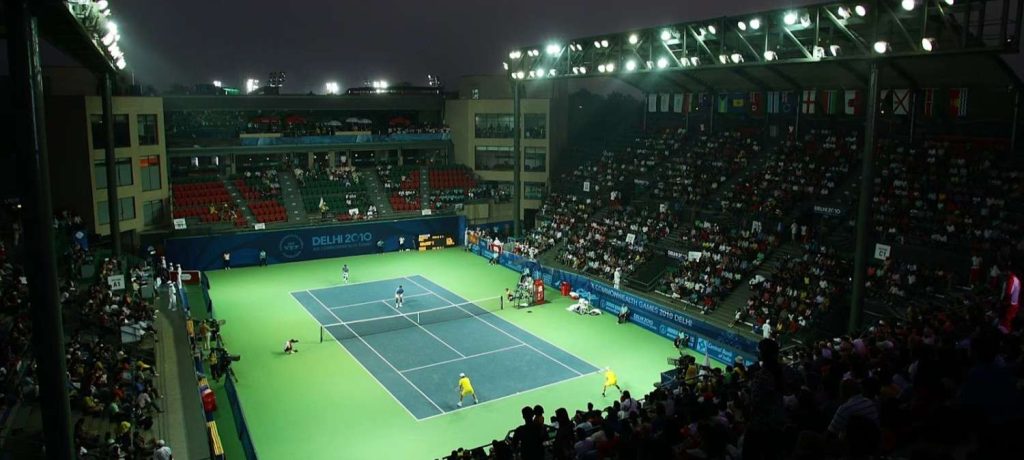
It has 13 courts in total: one center court, six match courts, and six warm-up courts. Davis Cup ties have been played here for years, which is why this venue carries weight both historically and administratively.
3. Balewadi Stadium Tennis Centre — Pune
| Location | Shree Shiv Chhatrapati Sports Complex, Pune |
| Capacity | 4,200 |
| Surface | Hard Court (11 courts) |
| Notable Events | Tata Open Maharashtra (ATP 250) |
Pune joined the ATP calendar in 2018 when the Tata Open Maharashtra moved to Balewadi. The venue sits inside a large multi-sport complex and has 11 courts with good lighting and facilities that meet ATP 250 standards.
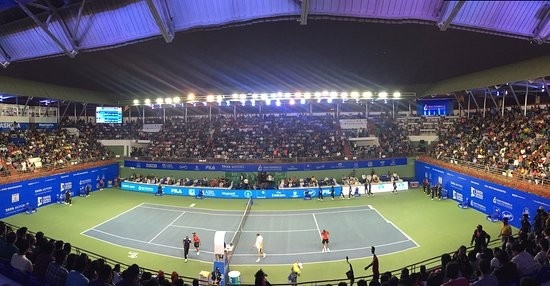
Because top-100 players come here every year, the venue has built a solid name for itself on the international circuit.
4. KSLTA Stadium — Bengaluru
| Location | Cubbon Park, Bengaluru |
| Capacity | 7,000 |
| Surface | Synthetic (4 main courts) |
| Notable Events | Bengaluru Open (ATP Challenger), Davis Cup |
KSLTA sits inside Cubbon Park. What makes it different from most other venues is its altitude. The stadium is 920 metres above sea level, which means the ball moves through the air faster here.
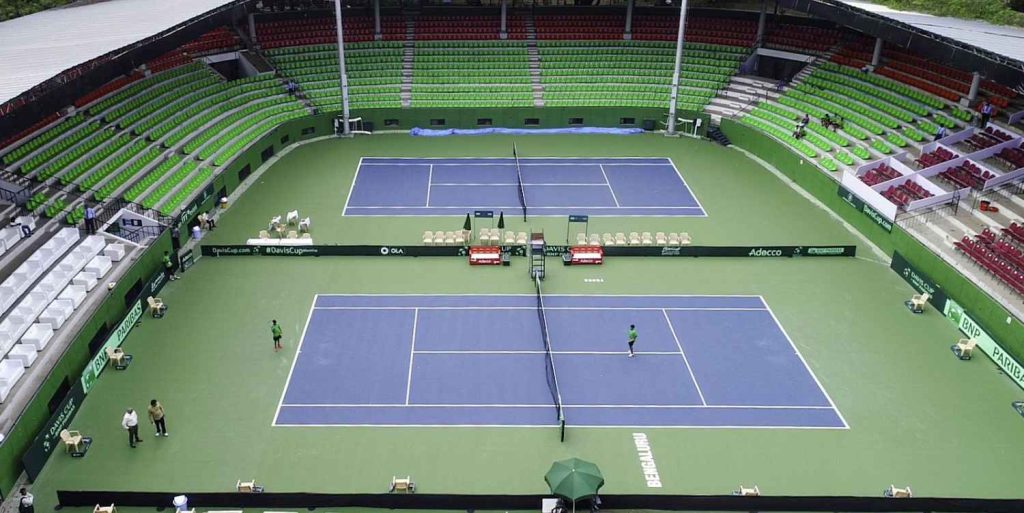
Players have to adjust their game when they come to Bengaluru. It hosts the Bengaluru Open on the ATP Challenger circuit and has also seen multiple Davis Cup matches over the years.
5. Lal Bahadur Stadium — Hyderabad
| Location | Fateh Maidan, Hyderabad |
| Capacity | 4,000 (tennis-specific area) |
| Surface | Synthetic Hard Court |
| Notable Events | WTA Hyderabad Open |
This venue has one moment that Indian tennis fans will always remember. Sania Mirza won her first WTA title here, and that alone gives Lal Bahadur a permanent place in the history of Indian tennis.
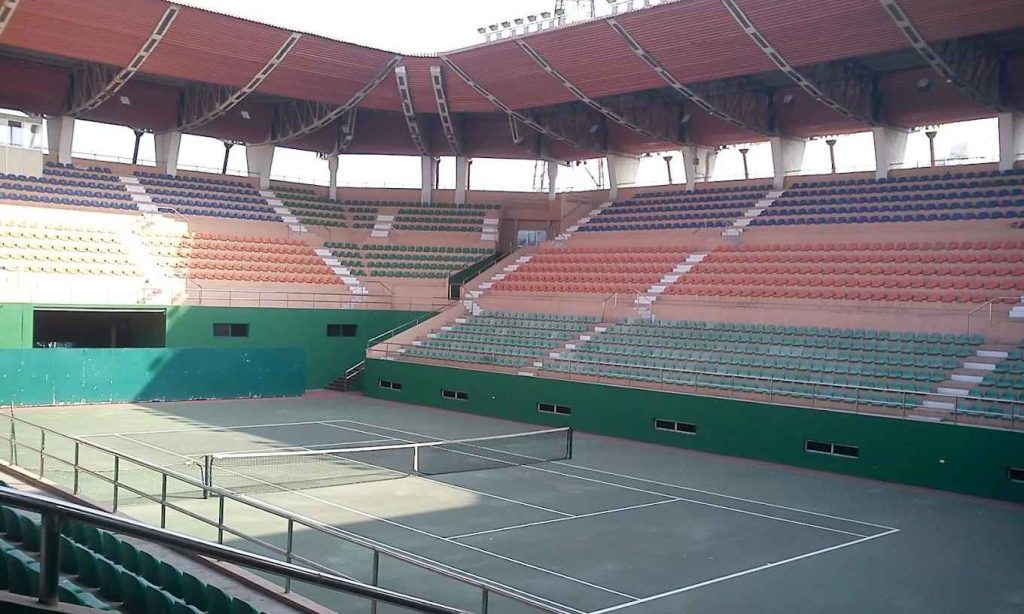
The tennis section holds 4,000 people and sits inside a larger 30,000-capacity multi-purpose ground. When the women’s tour came to Hyderabad, this venue rose to the occasion.
6. Calcutta South Club — Kolkata
| Location | Wood Burn Park Road, Kolkata |
| Capacity | Varies (club gallery setting) |
| Surfaces | Grass, Red Clay, Synthetic (17 courts total) |
| Established | 1920 |
| Distinction | Most Davis Cup ties are hosted in India |
People call it the “Wimbledon of India,” and that nickname comes from more than just the grass courts. It was established in 1920 and has 17 courts spread across three surfaces: grass, red clay, and synthetic.
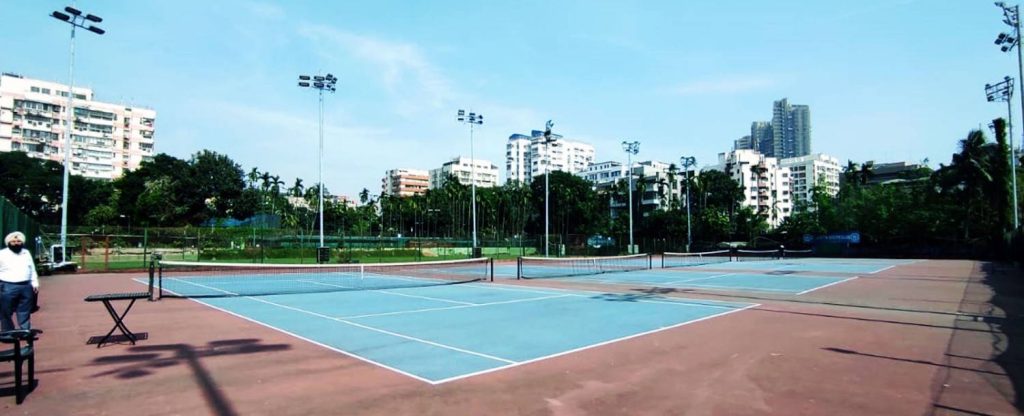
No other venue in India has hosted more Davis Cup ties. It is a club in format, not a stadium, but more than 100 years of tennis history make it impossible to leave off this list.
7. CLTA Tennis Stadium — Chandigarh
| Location | Sector 10, Chandigarh |
| Capacity | 3,500 |
| Surfaces | Hard, Clay, Grass (20 courts) |
| Notable Events | Davis Cup, ITF Junior and Senior Circuit |
Chandigarh is where many North Indian players begin their journey. CLTA has 20 courts and three surface types, so players can train in all conditions without leaving the facility.
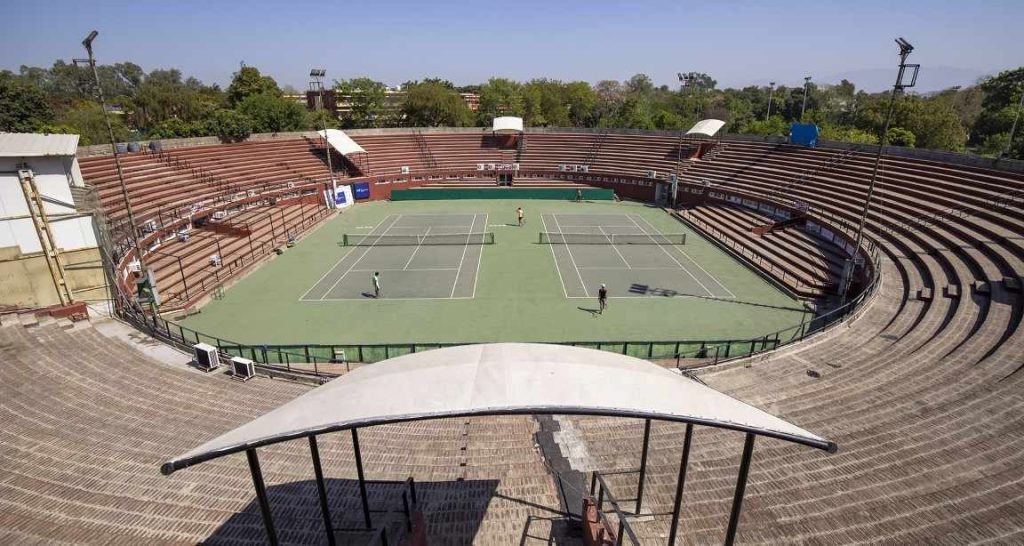
It also runs a residential academy, so players can train and stay on site. The venue hosts ITF junior and senior events throughout the year, making it a training ground first and a tournament venue second.
8. MSLTA Dr. G.A. Ranade Tennis Centre — Mumbai
| Location | Cooperage, Mumbai |
| Capacity | 2,000 |
| Surface | Floodlit Hard Courts |
| Notable Events | Mumbai Open (WTA Challenger), ITF Pro Circuit |
Mumbai’s main tennis venue sits right next to the Cooperage football ground. The MSLTA centre holds 2,000 people and is the base for the Maharashtra State Lawn Tennis Association.
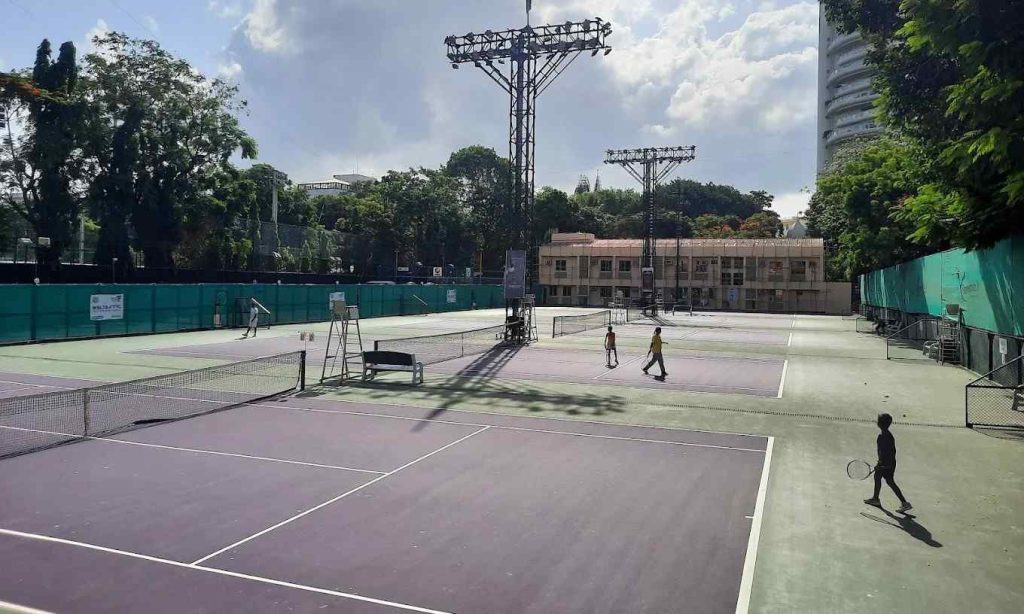
It runs the Mumbai Open, a WTA Challenger event, and several ITF Pro Circuit events throughout the year. The capacity is smaller than that of some others on this list, but for women’s professional tennis in western India, this venue plays an important role.
9. Kalinga Tennis Stadium — Bhubaneswar
| Location | Kalinga Sports Complex, Bhubaneswar |
| Capacity | 1,400 |
| Surface | Synthetic Center Court + 8 Practice Courts |
| Opened | 2023 |
| Notable Events | ITF Asian U14 Development Championship |
This is the newest venue on the list. Kalinga Tennis Stadium opened in 2023 and was built to ITF standards from the start. The capacity stands at 1,400, which is smaller than the others, but the quality of the facility makes up for it.
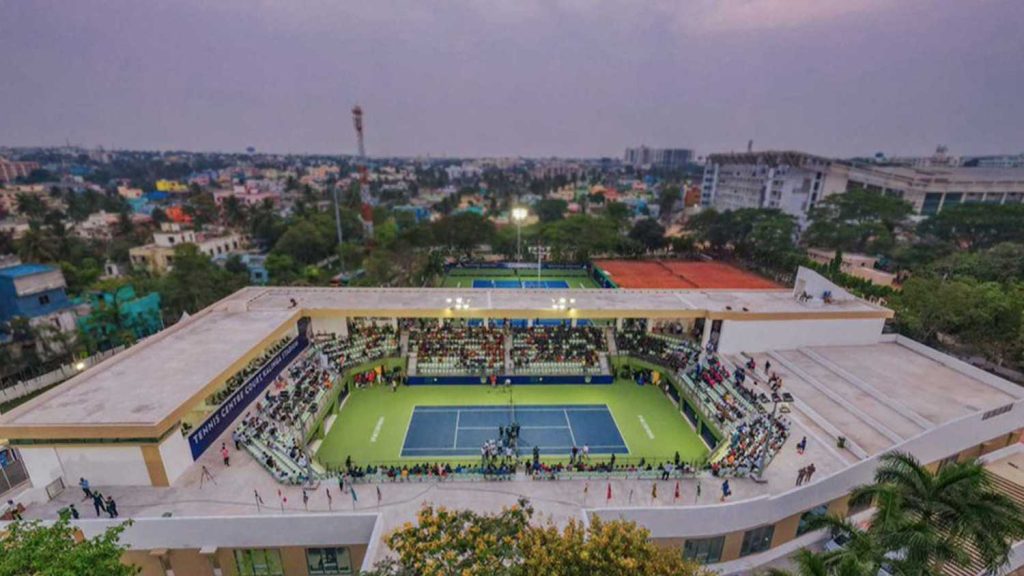
Odisha has been investing in sports infrastructure for several years, and this stadium is part of that larger plan. It has already hosted the ITF Asian U14 Development Championship, a strong result for a venue this new.
10. GMC Balayogi Indoor Stadium — Hyderabad
| Location | Gachibowli, Hyderabad |
| Capacity | 5,000 |
| Surface | Adaptable Indoor Surface |
| Primary Use | Badminton, Kabaddi — adaptable for Tennis |
GMC Balayogi is not a tennis-only venue; it also hosts badminton and kabaddi. However, when weather or tournament conditions require an indoor setting, this is where Hyderabad turns.
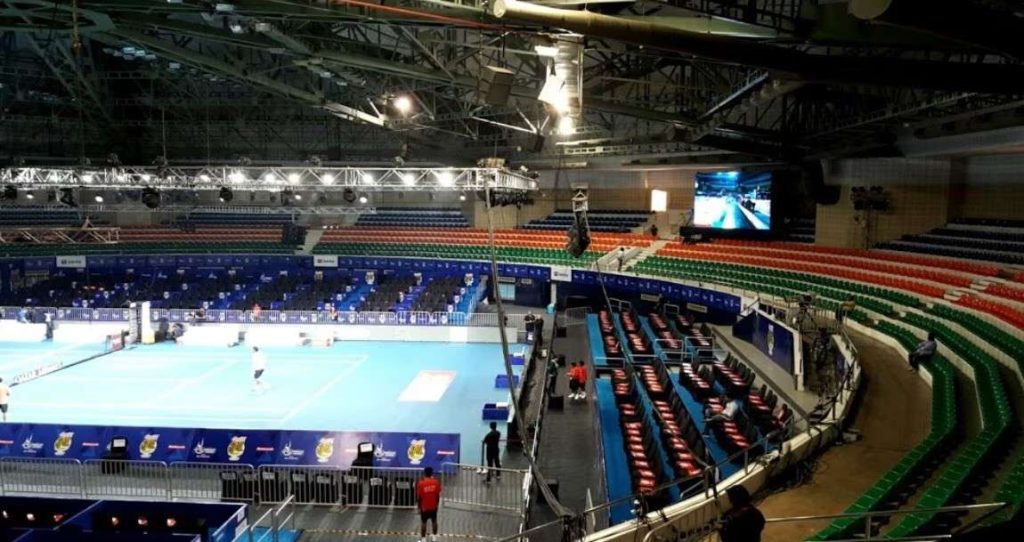
It holds 5,000 people inside a climate-controlled space, which matters in a country where monsoon rains and summer heat can interrupt outdoor play. For that reason, having a reliable indoor option like this one is something Indian tennis genuinely needs.
More Related Topics:
Conclusion: SDAT Tennis Stadium, Chennai, Is Most Well Known With A Capacity Of 5,800
These 10 venues span a wide area of the country, from Chennai in the south to Chandigarh in the north, and from Mumbai in the west to Bhubaneswar in the east.
Chennai leads in terms of history and consistency. Delhi holds the administrative weight. Pune now has a firm spot on the ATP calendar. And newer cities like Bhubaneswar are only just getting started.
Indian tennis is not built in one city; it grows from all of these courts, in all of these places, one match at a time.
FAQs
SDAT Tennis Stadium in Chennai. It hosted the ATP Chennai Open for 21 years and now runs the WTA 250 Chennai Open.
Exact numbers vary, but India has thousands of courts across clubs, academies, and sports complexes — mostly in metro cities.
By capacity: SDAT Chennai (5,800), GMC Balayogi Hyderabad (5,000), and R.K. Khanna New Delhi (5,015).
Hard court, clay court, grass court, and carpet court. Each Grand Slam uses a different surface type.
Chennai — it has the most professional tournament history, the best infrastructure, and has produced top-ranked Indian players.
Centre Court at Wimbledon, London. Arthur Ashe Stadium in New York is the largest by seating capacity.
Yes. The Tata Open Maharashtra in Pune is an ATP 250 event, and the Bengaluru Open runs as an ATP Challenger.