India has built some of the largest cricket stadiums in the world, along with historic grounds that still host major matches. The biggest among them is Narendra Modi Stadium, which holds over 132,000 spectators.
Each stadium in India hosts international matches, IPL games, and domestic tournaments throughout the year.
In this article, you will find a complete list of major cricket stadiums in India with their capacities, along with key details about each venue and how they contribute to India’s cricket structure.
Overview of Indian Cricket Stadiums with Capacity
| Stadium Name | City | Capacity |
|---|---|---|
| Stadium Name | City | Capacity |
| Narendra Modi Stadium | Ahmedabad | 132,000 |
| Eden Gardens | Kolkata | 68,000 |
| Shaheed Veer Narayan Singh Stadium | Raipur | 65,000 |
| Rajiv Gandhi International Stadium | Hyderabad | 55,000 |
| Greenfield International Stadium | Thiruvananthapuram | 50,000 |
| Ekana Cricket Stadium | Lucknow | 50,000 |
| M. A. Chidambaram Stadium | Chennai | 38,000 |
| Jawaharlal Nehru Stadium | Kochi | 41,000 |
| Arun Jaitley Stadium | Delhi | 35,200 |
| Wankhede Stadium | Mumbai | 33,000 |
1. Narendra Modi Stadium, Ahmedabad
The Narendra Modi Stadium is the largest cricket stadium in the world, with a seating capacity of around 132,000. Located in Ahmedabad, it represents India’s push toward building world-class sports infrastructure.
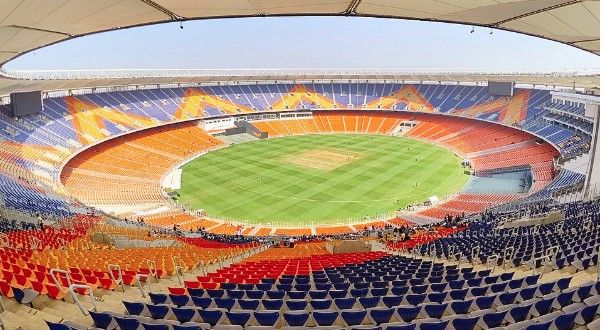
The stadium includes multiple dressing rooms, advanced lighting systems, and modern seating design.
It regularly hosts high-profile matches such as IPL finals and international fixtures. Its size allows for massive crowds, making it one of the most important venues in global cricket today.
2. Eden Gardens, Kolkata
The Eden Gardens is one of the most iconic cricket stadiums in India, with a capacity of about 68,000 after renovation.
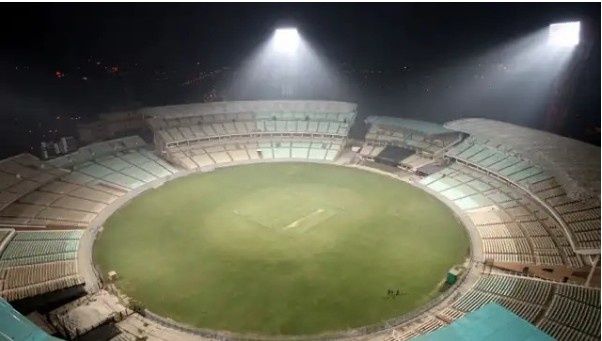
It has hosted several historic matches, including World Cup fixtures, IPL, and memorable Test games.
Known for its passionate crowd, the stadium creates a unique match atmosphere.
Even after capacity reduction from earlier years, it remains one of the most influential venues in Indian cricket and continues to host major international matches regularly.
3. Shaheed Veer Narayan Singh Stadium, Raipur
This stadium in Raipur has a capacity of around 65,000 and is among the largest venues in central India.
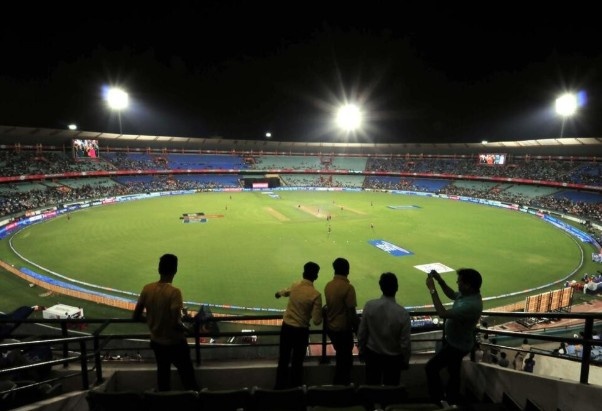
It has hosted IPL matches and international fixtures, helping expand cricket’s reach beyond traditional cities.
The stadium offers modern facilities and large seating arrangements, making it suitable for high-attendance games.
Over time, it has become an important venue for both domestic and international matches, especially when a larger crowd capacity is required.
4. Rajiv Gandhi International Stadium, Hyderabad
The Rajiv Gandhi International Stadium has a seating capacity of around 55,000 and is one of the most active cricket venues in India.
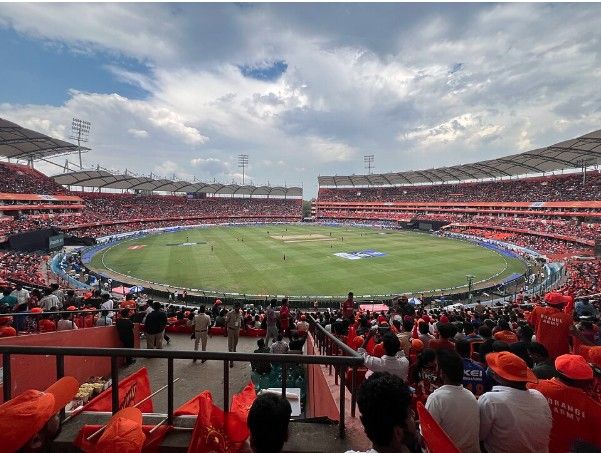
It regularly hosts IPL matches and international games.
The pitch here is often batting-friendly, leading to high-scoring matches. Combined with well-maintained facilities and crowd support, the stadium has built a reputation as a reliable venue for major tournaments and high-profile matches.
5. Greenfield International Stadium, Thiruvananthapuram
The Greenfield International Stadium in Kerala has a capacity of about 50,000 and is one of the newer cricket venues in India. It is a multi-purpose stadium that also hosts football matches.
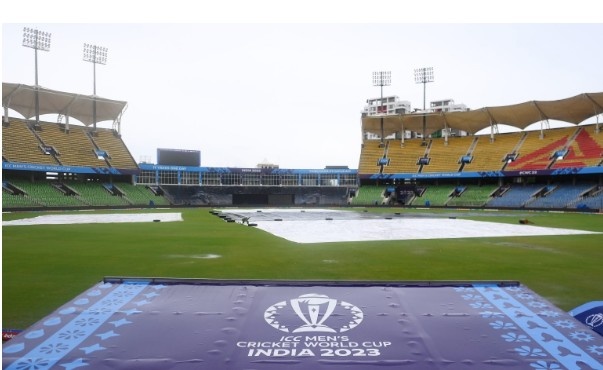
The venue is known for its modern infrastructure and scenic surroundings. It has quickly gained popularity as a venue for limited-overs matches and continues to attract international fixtures due to its facilities and crowd experience.
6. Ekana Cricket Stadium, Lucknow
The Ekana Cricket Stadium has a seating capacity of around 50,000 and is a relatively new addition to India’s cricket venues.
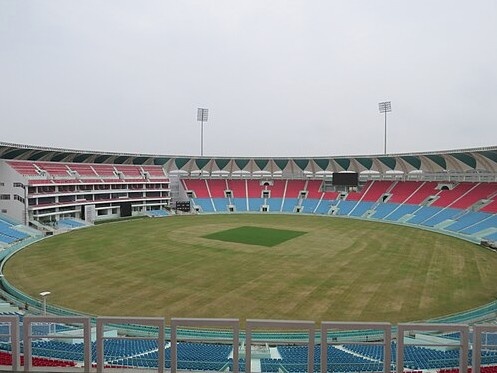
It serves as one of the regular hosts for IPL and international matches.
The stadium features modern seating, training facilities, and an improved spectator experience.
It has strengthened Lucknow’s presence on the cricket map and continues to host important matches in domestic and international schedules.
7. M. A. Chidambaram Stadium, Chennai
The M. A. Chidambaram Stadium has a capacity of around 38,000 and is one of India’s oldest cricket venues. It has hosted numerous historic matches across formats.
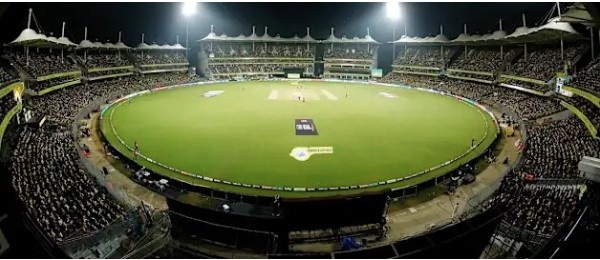
The pitch here is traditionally spin-friendly, making it unique compared to other venues.
Strong local support and a deep cricketing culture make this stadium an important part of India’s cricket history and present.
8. Jawaharlal Nehru Stadium, Kochi
The Jawaharlal Nehru Stadium in Kochi has a capacity of about 41,000 and is primarily a multi-purpose venue. It has also hosted IPL matches and selected international fixtures.
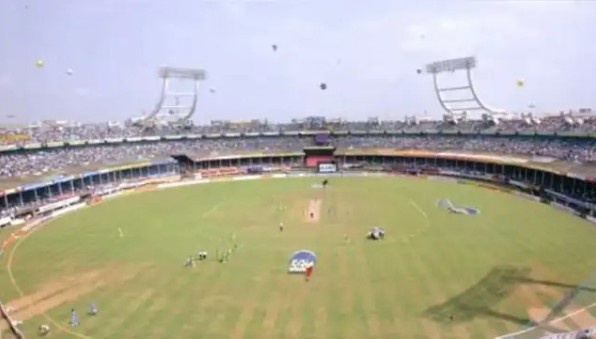
Although not a regular cricket venue, it has played a role in expanding the game’s reach in Kerala. The stadium’s size and infrastructure allow it to host large crowds when major matches are scheduled.
9. Arun Jaitley Stadium, Delhi
The Arun Jaitley Stadium has a seating capacity of around 35,200 and is one of the busiest cricket venues in India. It regularly hosts IPL and international matches.
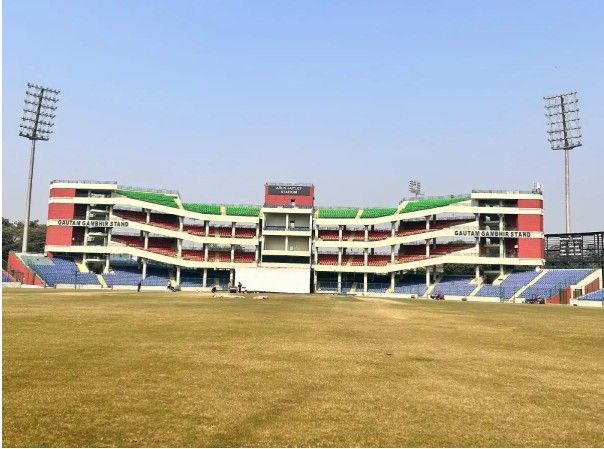
The ground is known for shorter boundaries, which often lead to high-scoring games. Its central location and frequent use make it an important venue in India’s cricket calendar.
10. Wankhede Stadium, Mumbai
The Wankhede Stadium has a capacity of around 33,000 and is one of the most famous cricket venues in India. It hosted the 2011 ICC Cricket World Cup final.
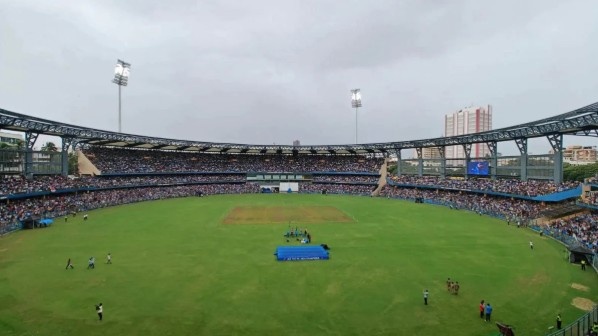
Despite its smaller size compared to newer stadiums, it remains a premier venue. Its location, history, and consistent use for major matches keep it highly relevant in Indian cricket.
Read more
Conclusion: India Has Some Of The Largest Cricket Stadiums In The World With Massive Capacity!
India has built some of the greatest cricket stadiums in the world. Narendra Modi Stadium is the largest, with a capacity of about 132,000 spectators.
Other stadiums, such as Eden Gardens and Wankhede Stadium, also host exciting matches, offering great facilities, vibrant crowds, and unforgettable cricket experiences for players and fans.
With continuous upgrades and new developments, India’s cricket infrastructure continues to grow.