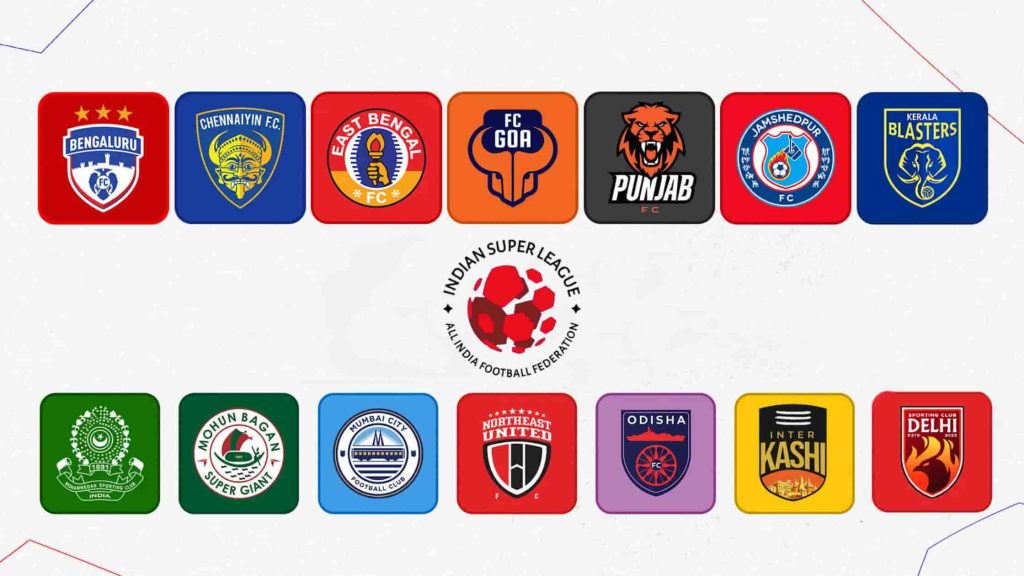
NorthEast United FC is the ISL club with the most yellow cards, collecting 39 bookings across 13 games, at a rate of 3 yellow cards per match. FC Goa and newly promoted Inter Kashi share second place with 30 yellow cards each.
East Bengal FC and Mumbai City FC are level on 29, and Bengaluru FC and the newly relocated Sporting Club Delhi finish joint ninth on 23.
This article goes beyond the numbers to examine the specific players and incidents driving each club’s booking count, tactical patterns that explain why certain teams collect more cards, the relationship between goals conceded and discipline, and which entries reveal something unexpected about how the ISL is played this season.
Top 10 ISL Clubs with the Most Yellow Cards: 2025-26 Season
Across 13 games each, the gap between the top and bottom is 16 cards, indicating a wide spread in disciplinary approaches across the league.
| Rank | Club Name | Games Played | Goals Against | Yellow Cards |
|---|---|---|---|---|
| 1 | NorthEast United FC | 13 | 21 | 39 |
| 2 | FC Goa | 13 | 11 | 30 |
| 3 | Inter Kashi | 13 | 17 | 30 |
| 4 | East Bengal FC | 13 | 11 | 29 |
| 5 | Mumbai City FC | 13 | 9 | 29 |
| 6 | Kerala Blasters FC | 13 | 17 | 27 |
| 7 | Chennaiyin FC | 13 | 21 | 26 |
| 8 | Odisha FC | 13 | 22 | 25 |
| 9 | Bengaluru FC | 13 | 12 | 23 |
| 10 | Sporting Club Delhi | 13 | 17 | 23 |
Now let’s break down what made each entry stand out.
1. NorthEast United FC: The League’s Most Booked Side by a Distance
NorthEast United FC does not just lead this table. They sit 9 cards clear of the joint second-place clubs, a gap that reflects a consistent pattern of aggressive pressing and physical duels across all 13 games.
Midfielder Mohammed Ali Bemammer drew heavy marking from opponents. He contributed to a midfield battle that saw NEUFC rack up cards in central areas at a higher rate than any other club. He was involved in multiple booking incidents where his defensive interventions triggered counter-press situations that boiled over.
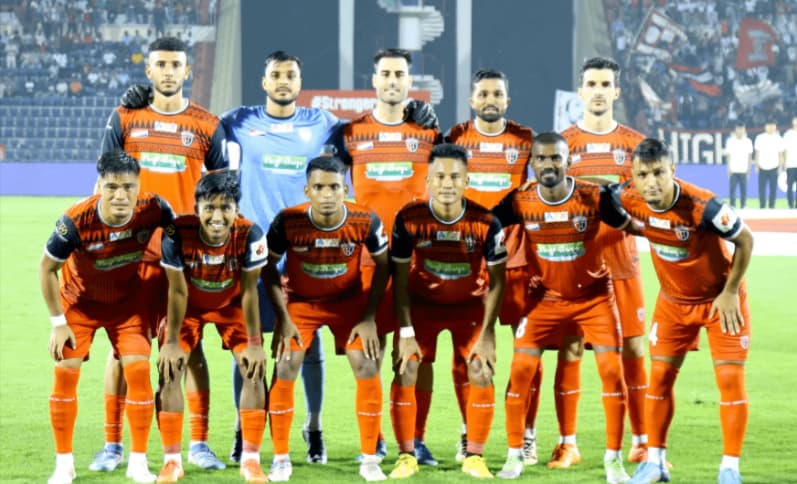
NEUFC also conceded 21 goals in those 13 games. That combination of high bookings and high goals conceded points to a team that sits deep and fouls to stop transitions rather than pressing high to win the ball back cleanly.
This is the highest single-club yellow card tally recorded over a 13-game stretch in recent ISL seasons. It confirms that NEUFC prioritizes physicality over positional discipline, which comes with a cost when referees are applying consistent standards.
2. FC Goa: High Cards, Low Goals Conceded
FC Goa shares second with 30 yellow cards, but separate themselves from all clubs near it in the table by conceding only 11 goals across 13 games. They foul aggressively and pay in cards, but it works defensively.
Defender Odei Onaindia anchored the Goa backline and collected defensive bookings among the club’s central players. He broke up counterattacks through tactical fouls that drew cards but prevented high-percentage chances on goal.
FC Goa’s card rate holds even in home games, where they typically enjoy more possession. That means their bookings are not a product of chasing the game. They press and foul by design from an organized shape.
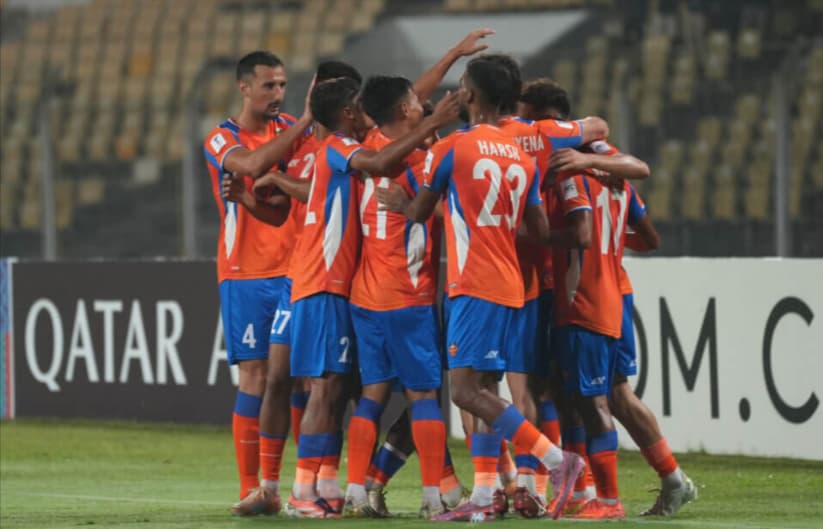
30 yellow cards with only 11 goals conceded is the best defensive return of any club in the top five of this table. It suggests their fouling is calculated, not panicked.
3. Inter Kashi: New Club, Combative Identity
Inter Kashi matched Goa’s booking count at 30 but with 17 goals conceded, pointing to a different kind of aggression. Their fouls are more reactive and less effective at preventing goals.
Midfielder Joni Kauko anchored much of the midfield battles for Inter Kashi. He featured in multiple high-intensity incidents near the center circle where pressing traps collapsed, and tactical fouls became a necessity to slow down opposition transitions. His early disciplinary record reflected the sheer volume of defensive work required in the team’s engine room.
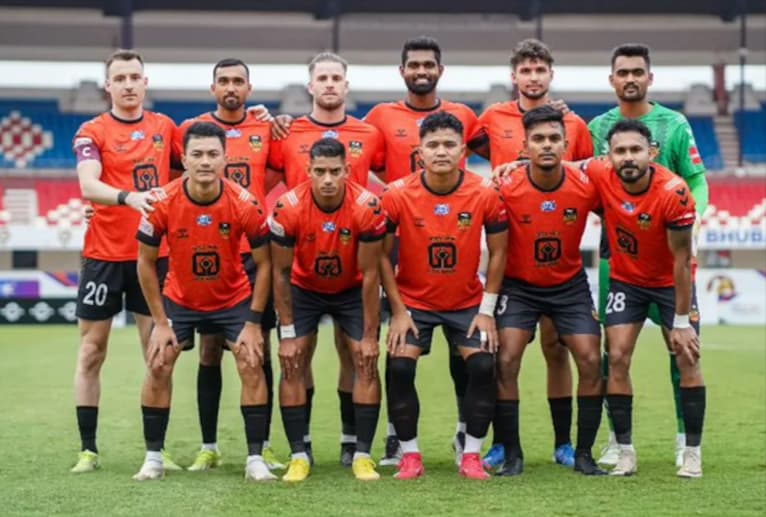
Inter Kashi is a newly promoted ISL side, finding their identity. High yellow card counts in debut seasons often reflect squads that are still building tactical cohesion. Fouling fills the gap that the organization has not yet closed.
30 cards with 17 goals conceded put them in a more vulnerable spot than Goa at the same card count. The discipline has a cost, and the defensive results confirm it has not paid off the same way.
4. East Bengal FC: Bookings Without Goals Conceded Piling Up
East Bengal FC sits fourth with 29 yellow cards and only 11 goals conceded, matching Goa’s defensive numbers. They show that cards at this level do not automatically mean defensive weakness.
Defender Anwar Ali featured prominently in East Bengal’s defensive bookings. He is a physical presence who engages in aerial and ground duels that frequently draw referees’ attention. His physical approach meant he frequently found himself in the referee’s notebook during crucial defensive stands.

East Bengal’s 29 cards across 13 games give them a rate of 2.23 per game. That places them fifth in the league by discipline rate, but their goal concession record puts them among the competition’s better defensive units.
They foul to protect rather than to compensate. High cards with low conceded suggest they foul in the right situations.
5. Mumbai City FC: The Cleanest Defensive Record in the Top Five
Mumbai City FC shares fourth place with 29 yellow cards but has conceded only 9 goals across 13 games. That is the best defensive return of any club in the top five of this table and one of the best in the entire league.
Goalkeeper Phurba Lachenpa was a consistent presence behind a defence that limited shots on target more than any other club in the top card group. His distribution triggered fast breaks that reduced pressure on the defensive line, meaning fewer defensive fouls late in transitions.

Mumbai’s 29 cards with 9 goals conceded put them in an unusual position. They accumulate bookings but rarely get punished for it.
That speaks to their ability to time fouls before danger areas rather than inside them. This entry confirms that Mumbai City FC remains one of the ISL’s best-organized sides. The cards do not hurt them the way they hurt less structured clubs.
6. Kerala Blasters FC: 17 Goals Conceded and the Mid-Table Discipline Zone
Kerala Blasters FC collected 27 yellow cards across their 13 games, placing them sixth. They concede 17 goals, matching Inter Kashi and Sporting Club Delhi, and sit in the middle of the discipline-to-defensive-output range.
Midfielder Adrian Luna was central to Kerala’s pressing game and built up a personal booking tally that placed him among the top individually cautioned players in the squad. His card rate reflected the intensity of Kerala’s high press rather than cynical fouling.
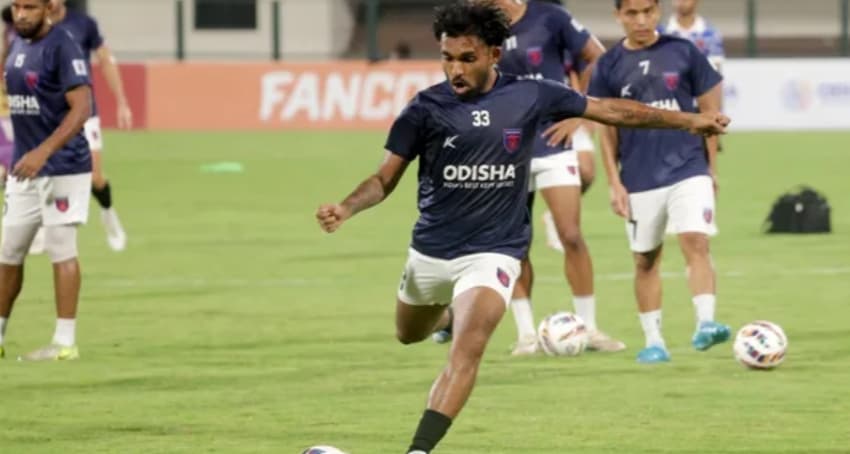
The Blasters sit in a position where their card count is not extreme, but their goals conceded confirm they have not completely solved their defensive leakage.
More cards and fewer goals conceded would indicate a functioning system; their current mix says the press is present, but the defensive structure behind it leaks.
7. Chennaiyin FC: High Goals Against but Fewer Cards Than Expected
Chennaiyin FC picked up 26 yellow cards but conceded 21 goals, the joint-highest in the top seven alongside NorthEast United. That combination is concerning: they are neither disciplined nor defensively solid.
Defender Ryan Edwards was involved in several of Chennaiyin’s bookings that came in situations where the backline had already been beaten. His late interventions and recovery fouls added to a card tally that reflects a defence under consistent pressure.
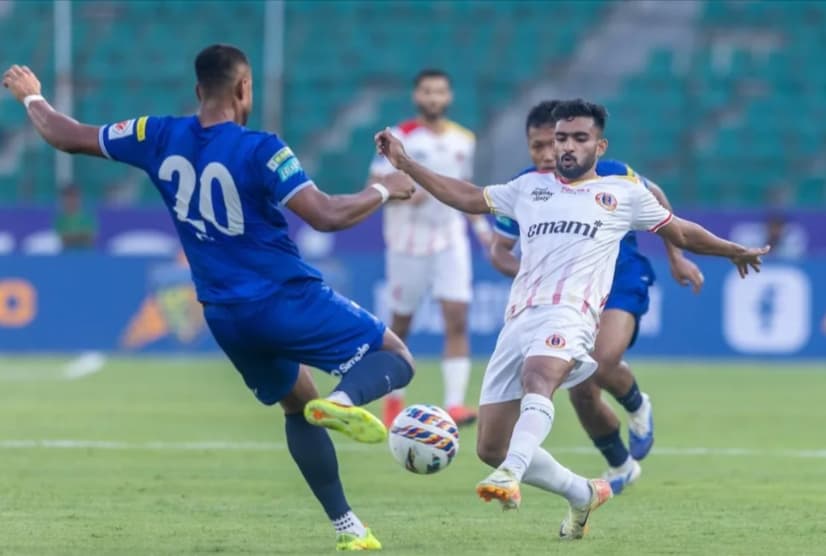
Seventh in this table, but sharing the worst defensive record in the top seven, is a damaging combination. Their card count is not extreme, but it is inefficient. The fouls have not translated into protection.
8. Odisha FC: Most Goals Conceded in the Table
Odisha FC finished eighth with 25 yellow cards and 22 goals conceded, the highest goals-against figure across all ten clubs. They are the only side in the table conceding more than 1.69 goals per game.
Goalkeeper Amrinder Singh faced more shots on target per game than any other goalkeeper in this group during the relevant period. His workload reflected a defence that was regularly exposed and forced into fouls before and after shots were conceded.

Odisha’s 25 cards are relatively low for a club conceding at that rate. That means they are not fouling enough to slow attacks, or their fouls come after goals are already inevitable.
22 goals conceded in 13 games, with only 25 bookings, says they are losing ground without the fight that tactical bookings would indicate.
9. Bengaluru FC: Joint-Fewest Cards with a Clean Defensive Return
Bengaluru FC collected 23 yellow cards and conceded only 12 goals across 13 games. They are joint-ninth in this table and among the most disciplined sides in the entire league.
Defender Rahul Bheke was a commanding presence who contributed to the club’s ability to defend without fouling. He marshalled the backline through positional intelligence rather than panicked physical intervention, drawing fewer cards while covering critical defensive zones.

Bengaluru’s 23 cards with 12 goals conceded is the second-best disciplinary-to-defensive ratio in this table after Mumbai City FC.
For a club with Bengaluru’s historic ISL pedigree, this entry confirms they remain one of the more structured sides in the competition.
10. Sporting Club Delhi: Equal Ninth but with More Goals Conceded
Sporting Club Delhi shares ninth with Bengaluru on 23 yellow cards, but concedes 17 goals compared to Bengaluru’s 12. Same card count, very different defensive results.
Defender Alex Saji was among Delhi’s most utilized assets, anchoring the rearguard. He was tasked with breaking up play early, often absorbing pressure and taking tactical bookings to disrupt opposition momentum
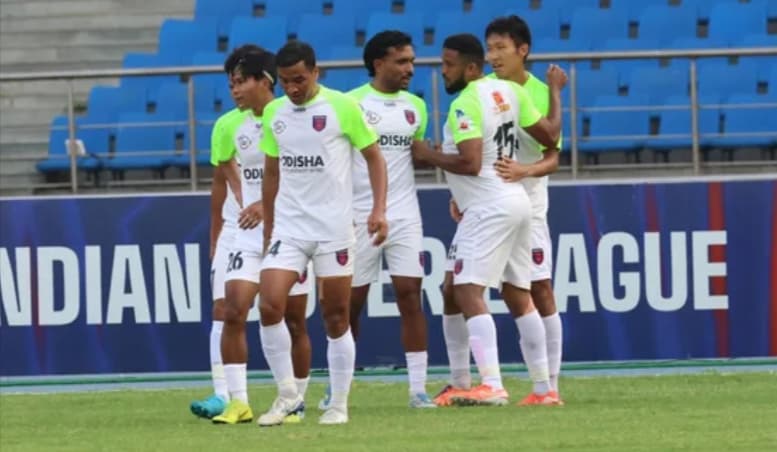
Sporting Club Delhi (formerly Hyderabad FC) is a club settling into its new geographical identity in the capital. 23 cards with 17 goals conceded places them in a similar bracket to Inter Kashi in terms of the relationship between discipline and defensive output.
The headline is 17 goals conceded with the same card count as a club that conceded 12. Delhi’s fouls come in areas that do not fully neutralize danger
ISL Discipline Records: Historical Feats
Here are the overall records. The Indian Super League has produced several notable disciplinary records over the years. Mumbai City holds the record for the most yellow cards (374), while Goa has collected the most red cards (22) in league history.
| Record | Achievement | Club | Season / Total |
|---|---|---|---|
| Most Yellow Cards (Overall) | 374 | Mumbai City | Overall |
| Most Red Cards (Overall) | 22 | Goa | Overall |
| Most Yellow Cards in a Season | 69 | East Bengal | 2023–24 |
| Fewest Yellow Cards in a Season | 17 | Kerala Blasters | 2014 |
| Fewest Yellow Cards in a Season | 17 | Mohammedan | 2025–26 |
| Most Red Cards in a Season | 6 | East Bengal | 2024–25 |
At the single-season level, East Bengal set the record with 69 yellow cards in 2023–24 and 6 red cards in 2024–25. In contrast, Kerala Blasters (2014) and Mohammedan (2025–26) share the record for the fewest yellow cards in a season, receiving just 17 each.
Discipline vs Defence: What Yellow Cards Actually Reveal About ISL Teams
The headline from this table is NorthEast United FC’s 39 yellow cards. But the more revealing stat is the relationship between cards collected and goals conceded. Four clubs in the top five for yellow cards are also among the tightest defensively. That is not a coincidence.
FC Goa and East Bengal FC each concede 11 goals while sitting in the top four for bookings. Mumbai City FC conceded only 9 goals with 29 yellow cards. These three clubs show that calculated fouling is a viable defensive tool in the ISL when the structure behind it is sound.
The problem cases in this table are Chennaiyin FC and Odisha FC. Chennaiyin collected 26 cards and still conceded 21 goals. Odisha picks up 25 cards and concedes 22. These clubs foul in situations where the danger has already materialized. The bookings confirm that, not prevent it.
The broadest conclusion from this table is that yellow cards measure defensive aggression, not just poor discipline. The clubs that finish highest in this table are spread across every defensive tier. What separates them is not how much they foul—it is exactly when and where they choose to foul.
Conclusion: NorthEast United Lead, But FC Goa and Mumbai City Prove the Cards Are Working
The 2025–26 ISL season has produced some of the most concentrated disciplinary data in recent memory. Ten clubs separated by just 16 yellow cards across 13 games each tell a story about a league where physicality and tactical fouling are standard tools across all levels of the table.
FC Goa’s combination of 30 yellow cards and only 11 goals conceded is a standout individual entry in this table. No club in the top five collects that many bookings and concedes as few.
The numbers show that collecting more yellow cards does not always lead to poor defensive performances. FC Goa and Mumbai City FC remained among the league’s strongest defensive teams despite receiving plenty of bookings, proving that well-timed fouls can be part of an effective game plan.
As the ISL continues to grow more competitive, the best teams will be those that strike the right balance between structural aggression and discipline.