The Indian Premier League began in 2008, and it has become a cricket juggernaut. Each IPL team backs itself with serious muscle; we’re talking big-shot businesspeople, famous faces, or giant companies calling the shots. Their money, ideas, and long-term thinking really steer each franchise’s direction.
Jump to 2025, and Royal Challengers Bangalore finally did it. They grabbed their first-ever IPL trophy. While United Spirits (Diageo) remains the owner of Royal Challengers Bengaluru (RCB), the franchise is undergoing a major strategic review, which is expected to conclude by March 31, 2026.
Following RCB’s historic 2025 IPL title win, billionaire Adar Poonawalla (CEO of the Serum Institute) officially confirmed on January 22, 2026, that he will place a “strong and competitive” bid for the team, valued at approximately $2 billion.
List Of IPL Team Owners: Quick Overview (2026)
Here is a list of the names of all the people who own the IPL teams, the biggest cricket league in India! Let us see who is behind your favorite teams:
| Team Name | Owners | Owners’ Company | Purchase Year | Net Worth (USD) | Net Worth (INR Crore) |
|---|---|---|---|---|---|
| Mumbai Indians | Mukesh Ambani Nita Ambani | Reliance Industries | 2008 | $92.8 billion | ₹7,73,760 crore |
| Royal Challengers Bangalore | United Spirits Ltd (Diageo) + Hombale Films | United Spirits Ltd, Hombale Films | 2008–2026 (Hombale expected) | ~$11.95 billion (Diageo/USL) | ₹98,891 crore ~ ₹17,000 crore (approx. valuation) |
| Chennai Super Kings | N. Srinivasan | India Cements | 2008 | $10 billion | ₹83,333 crore |
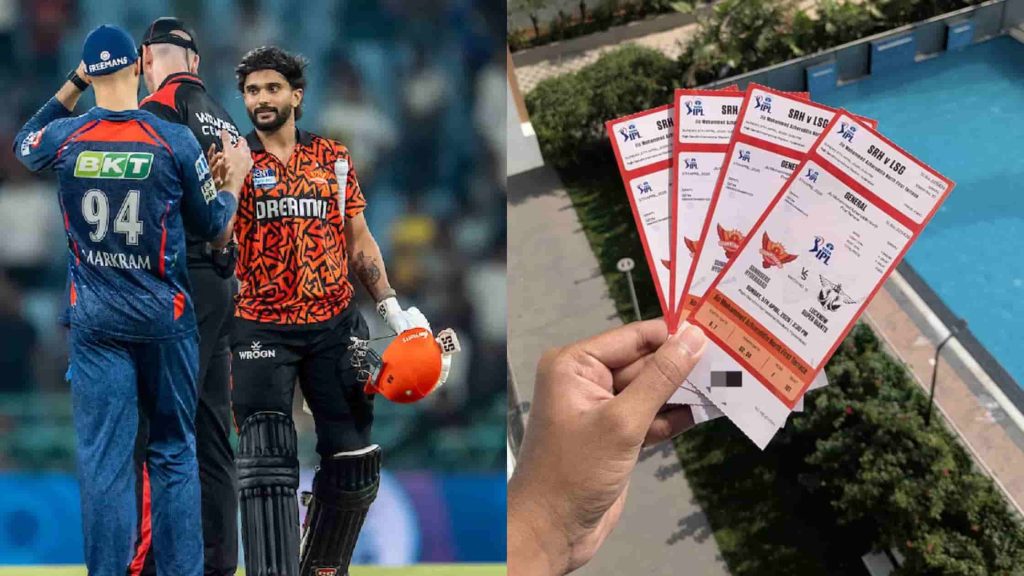
| Sunrisers Hyderabad | Kalanithi Maran | Sun TV Network | 2012 | $5.3 billion | ₹44,166 crore |
| Delhi Capitals | Sajjan Jindal Parth Jindal | GMR Group, JSW Group | 2008 | GMR: $3.2B JSW: $7.68B | GMR: ₹26,666 cr JSW: ₹64,000 cr |
| Punjab Kings | Mohit Burman Ness Wadia Preity Zinta Karan Paul | Multiple individual owners | 2008 | Dabur: $10.4B Zinta: $15M Wadia: $6.7M | Dabur: ₹86,666 cr Zinta: ₹125 cr Wadia: ₹55.8 cr |
| Kolkata Knight Riders | Shah Rukh Khan, Juhi Chawla, Jay Mehta | Mehta Group | 2008 | SRK: $780M Juhi: $6M Jay Mehta: $3.5B | SRK: ₹6,500 cr Juhi: ₹50 cr Jay: ₹29,166 cr |
| Rajasthan Royals | Manoj Badale, Lachlan Murdoch & others | Royals Sports Group | 2008 | Badale: $160M Murdoch: $2.1B | Badale: ₹1,333 cr Murdoch: ₹17,500 cr |
| Gujarat Titans | CVC Capital Partners | CVC Capital Partners plc | 2021 | €182 billion AUM | ₹16,38,000 crore (approx.) |
| Lucknow Super Giants | Sanjiv Goenka | RPSG Group | 2021 | $4.5 billion | ₹37,500 crore |
This table lists IPL team owners, their companies, net worth, and the year they purchased their teams. Some teams have famous personalities as owners, while others have major corporations backing them.
1. Mumbai Indians- Ambani Family
The Mumbai Indians kicked off their journey in 2008. Mukesh Ambani, India’s wealthiest man, and his wife, Nita Ambani, own the team through Reliance Industries. Over the years, the Mumbai Indians have built a legacy as one of the IPL’s most successful teams. They’ve won the title five times: 2013, 2015, 2017, 2019, and 2020.
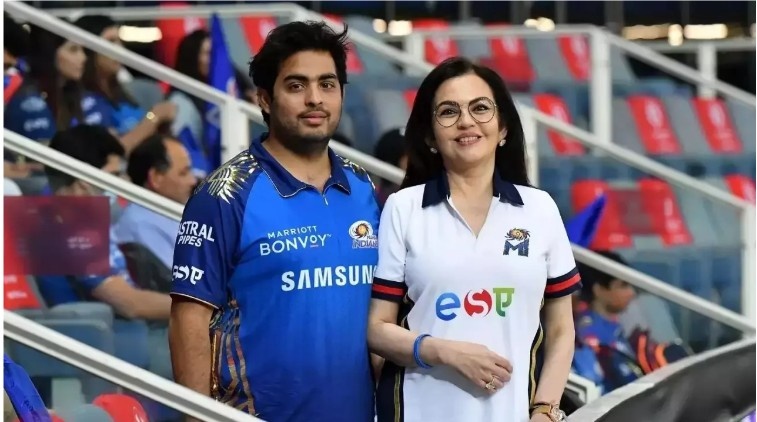
What really sets them apart is their ability to spot fresh talent and turn young players into stars. Plus, with the Ambanis backing them, they never really lack the resources to stay on top. This combination of sharp scouting and strong financial backing keeps the Mumbai Indians right up there, season after season.
2. Royal Challengers Bangalore- Currently Diageo & is on the market for Sale
Royal Challengers Bengaluru (RCB) was founded in 2008. Vijay Mallya first acquired the team, but after Diageo took over United Spirits in 2016, it took the reins. Now, Diageo owns RCB outright. Looking at the 2025 season, Diageo’s still in charge, but things could change soon. They’ve started looking at their options before the next IPL cycle in 2026.
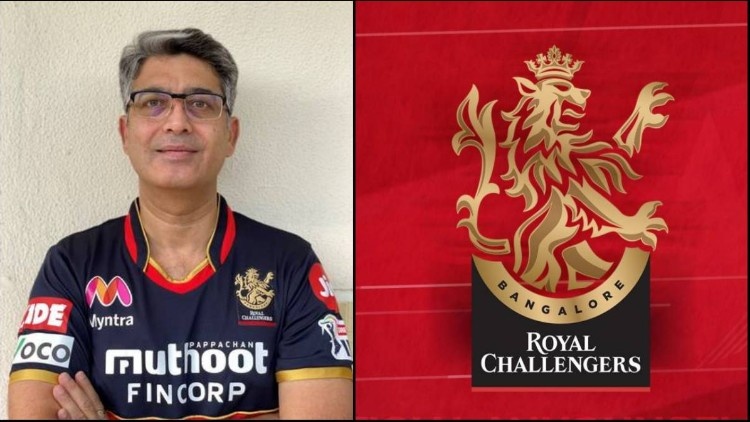
Word is that Hombale Films, the folks behind KGF and Kantara, are well along in talks to acquire a minority stake. Nothing official yet, though. People expect the deal to wrap up by March 31, 2026. If it goes through, RCB would gain a solid local partner in Bengaluru, while Diageo would continue to back the team from the top.
3. Chennai Super Kings- India Cements, N. Srinivasan
Chennai Super Kings began their IPL journey in 2008. India Cements owns the team, with N. Srinivasan at the helm. These guys have a reputation for showing up year after year, and it shows; they’ve snagged the IPL trophy five times: 2010, 2011, 2018, 2021, and 2023
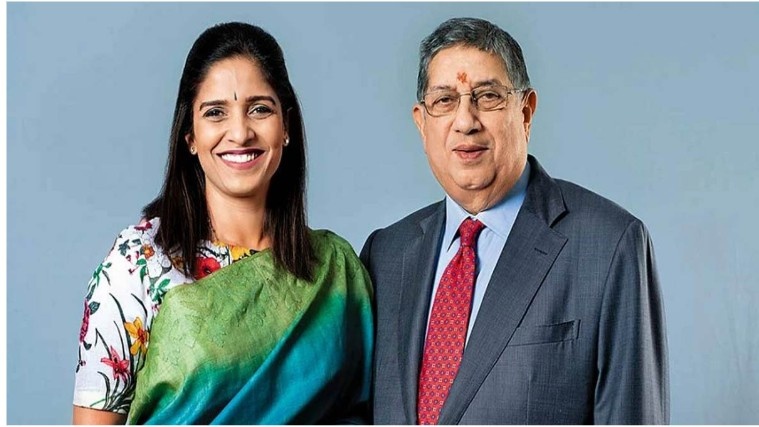
By 2025, CSK will be the richest IPL team. That’s thanks to their massive brand, die-hard fans, and smart business moves, on the pitch and off it. They did hit a rough patch when the league banned them for two seasons (2016 and 2017), but they didn’t let that stop them. CSK came roaring back and proved they’re still one of the IPL’s toughest teams.
4. Sunrisers Hyderabad- Sun TV, Kavya Maran
Sunrisers Hyderabad replaced the Deccan Chargers in 2012. The team is owned by Kalanithi Maran and his daughter, Kavya Maran, who run the company through Sun TV Network.
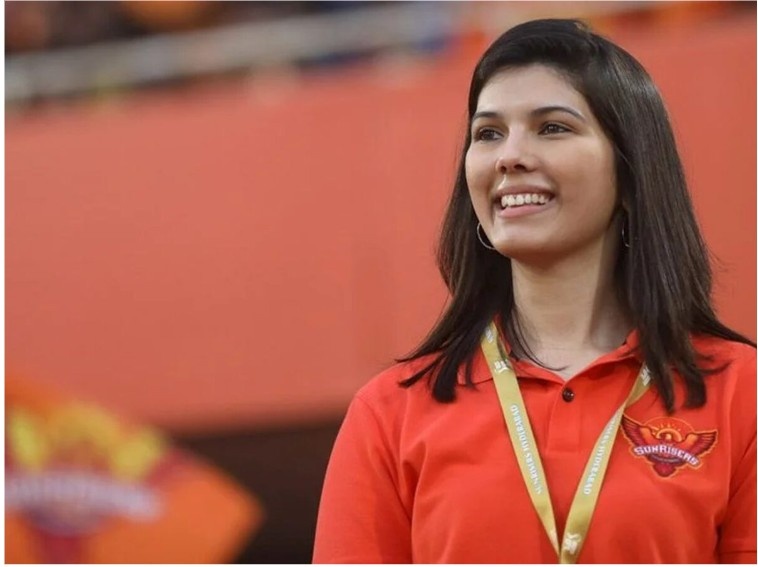
Over the years, SRH has become known for its fierce bowling attack. In 2016, they grabbed their first IPL trophy.
5. Delhi Capitals- Sajjan Jindal and Parth Jindal
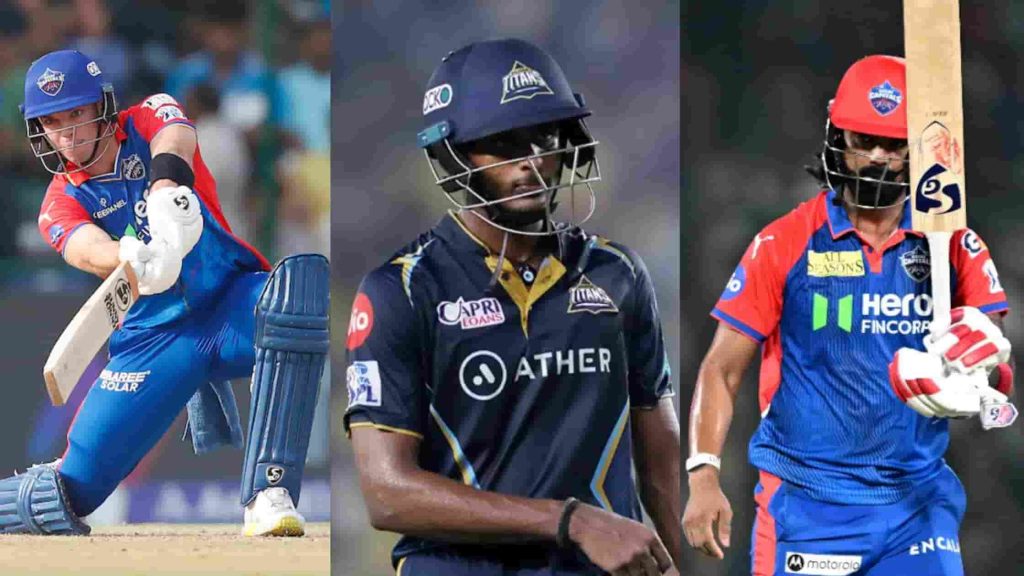
Sajjan Jindal and Parth Jindal, from the GMR and JSW Groups, jointly own the Delhi Capitals. The franchise kicked off in 2008. Over the years, the team hasn’t bagged the IPL trophy, but you can’t ignore the progress they’ve made lately.
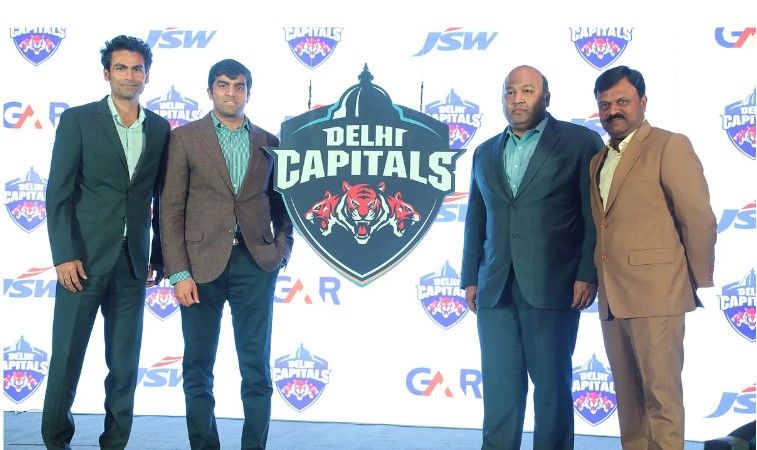
They finally broke through to their first final in 2020 and have continued to secure playoff spots. What’s interesting is how the squad mixes seasoned international stars with fresh Indian talent. The future looks promising for them.
6. Punjab Kings- Ness Wadia, Preity Zinta
Punjab Kings joined the IPL back in 2008, with Mohit Burman, Ness Wadia, Preity Zinta, and Karan Paul running the show. They’ve had some big names on the roster, and owners who are always in the spotlight, but the team has only made it to the final twice, in 2014 and 2025. Even though they’re one of the league’s original eight teams, that trophy still slips through their fingers.
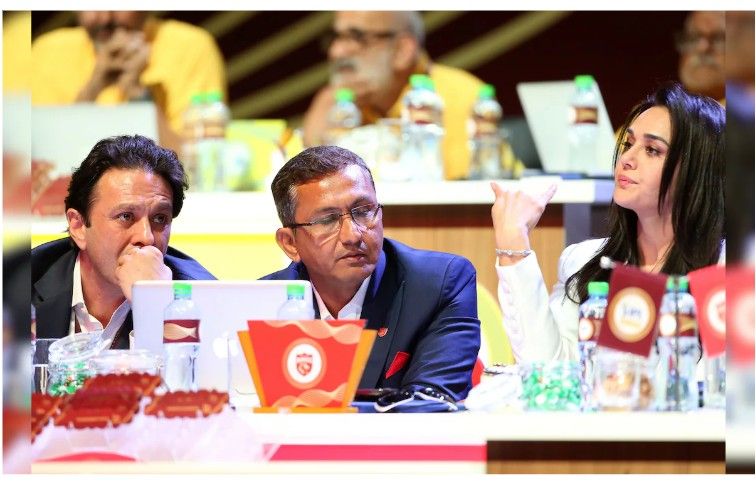
The closest they got was that tough loss in the 2014 and 2025 finals. Over the years, they’ve tried mixing things up, including a recent rebrand. Still, they keep chasing that first IPL title, hoping every season will finally be their year.
7. Kolkata Knight Riders- Shah Rukh Khan, Juhi Chawla
Since the IPL kicked off back in 2008, the Kolkata Knight Riders, or KKR, as everyone calls them, have always been crowd favorites. They’re owned by Shah Rukh Khan (yes, the Bollywood legend), plus Juhi Chawla and her husband, Jay Mehta. The group picked up the franchise for about ₹2.98 billion through Shah Rukh’s Red Chillies Entertainment and Jay Mehta’s business.
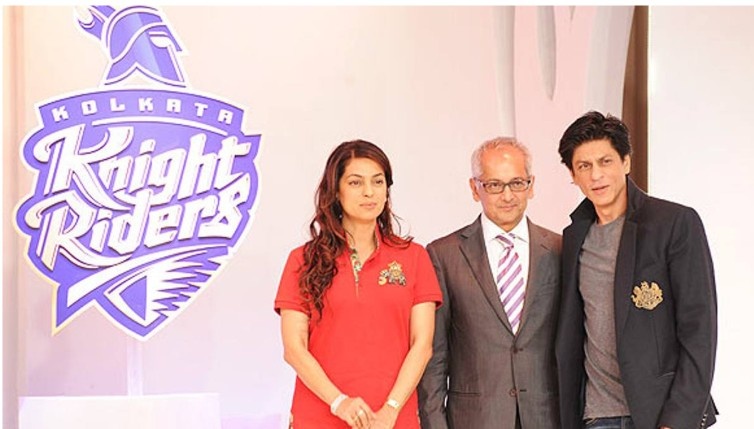
KKR’s fanbase is wildly devoted. The team’s management is also sharp and usually a step ahead. They don’t just show up; they actually compete hard, landing in the playoffs again and again. And let’s not forget the big wins: KKR lifted the IPL trophy three times: 2012, 2014, and again in 2024, all with Gautam Gambhir leading them on the field.
8. Rajasthan Royals- Manoj Badale
The Rajasthan Royals won the first IPL trophy in 2008. Manoj Badale’s Media IPL Ltd now owns most of the team. Things got rough in 2015; they got suspended for two years. But they came roaring back in 2018.
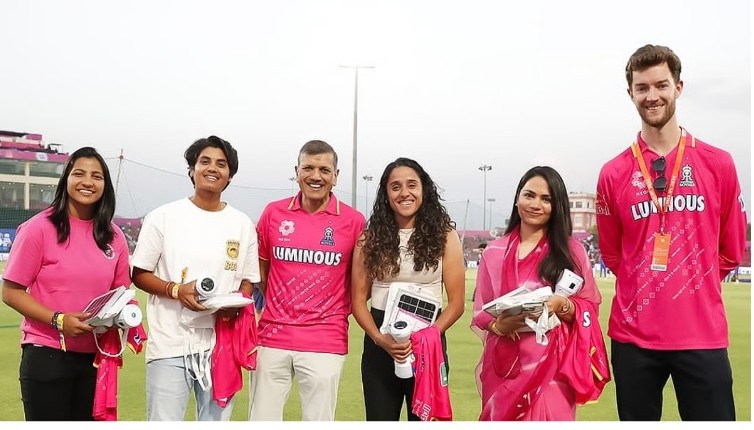
People know the Royals for spotting young talent and giving them a real shot. They never have the largest budget, but somehow they always manage to surprise everyone. That win in 2008, with Shane Warne leading the way, is still one of the best underdog moments the IPL’s ever seen.
9. Gujarat Titans- CVC Capital Partners
The Gujarat Titans jumped into the IPL in 2022 and didn’t waste any time making headlines. Owned by CVC Capital Partners, they showed up, took charge under Hardik Pandya, and walked away with the trophy in their very first season.
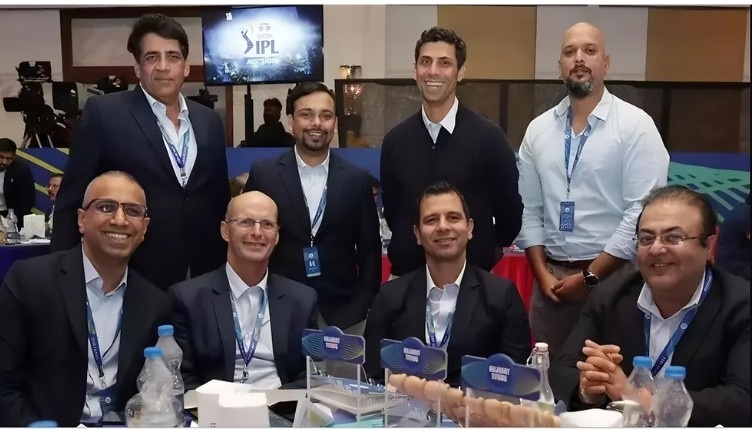
That kind of start says a lot about how well they put the squad together and how sharp their game plan was. Right from the beginning, the Titans made it clear they’re not just here to make up the numbers; they’re here to compete.
10. Lucknow Super Giants- Sanjiv Goenka’s RPSG Group
Lucknow Super Giants joined the IPL in 2022, alongside Gujarat Titans, when the league expanded to 10 teams. The franchise belongs to Sanjiv Goenka’s RPSG Group, which also previously owned the Rising Pune Supergiants.
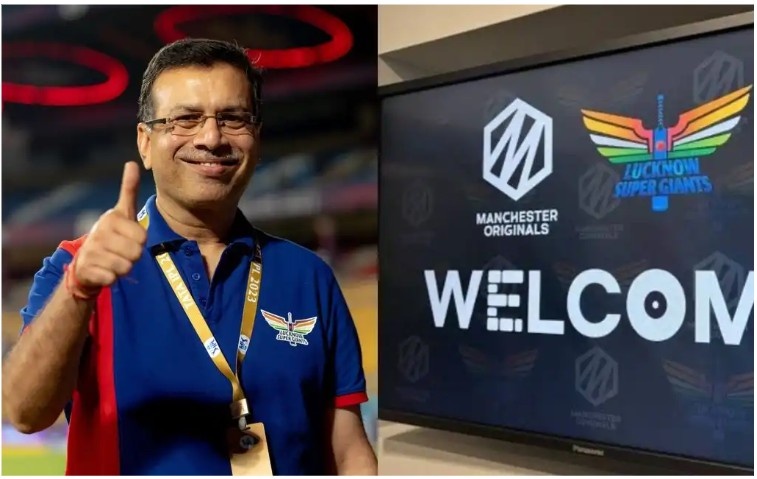
In their first season, Lucknow didn’t waste any time; they made it straight to the playoffs. With some seasoned international stars and a bunch of exciting Indian players, the Super Giants look set to make their mark as a team you can count on in the league.
Related Read:
Conclusion: IPL Teams and Thier Owenrs brings Diversity and Power of Money Through Cricket
The Indian Premier League isn’t just about nail-biting games. It’s also about the team owners: the people pulling the strings behind the scenes. Their money, choices, and leadership set the tone for every franchise, shaping what happens on and off the pitch.
They’re the ones who put together strong squads and find new ways to keep fans hooked. Honestly, without them, the IPL wouldn’t be the global powerhouse it is today. Take RCB, for example. After years of waiting, they finally grabbed their first IPL trophy in 2025.
That win didn’t happen overnight. It took vision, patience, and considerable stubbornness from the owners. Moments like that show just how much owners matter in this league. As the IPL continues to change, you can bet these owners will remain at the heart of its energy and growth.
FAQs
Mukesh Ambani (Mumbai Indians) and N. Srinivasan (Chennai Super Kings) have consistently delivered strong team performance and brand value.
The Board of Control for Cricket in India (BCCI) owns and operates the IPL. Separate entities or individuals own individual teams.
Mukesh Ambani, owner of the Mumbai Indians, is consistently ranked as the wealthiest IPL team owner and is one of the richest individuals in the world.
According to recent valuations, the Mumbai Indians are often considered the richest IPL team by brand value. Chennai Super Kings and Kolkata Knight Riders follow closely. However, these valuations can change from year to year based on various factors.